


Prijzen van Android-autoradio’s en digitale instrumentenpanelen: waarom zo’n groot prijsverschil?
Premium Android-headunits · Dual-Screen cockpitupgrades · Digitale instrumentenclusters
De prijzen van Android-headunits en digitale clusters kunnen verrassend verschillen, zelfs wanneer twee premium producten er bijna identiek uitzien. De vorm van het scherm kan vergelijkbaar zijn, maar het moederbord, de display, de voertuigintegratie, de teststandaard, de eisen van de leverancier en de langetermijnondersteuning erachter kunnen dat niet zijn. Deze gids laat zien wat dat verschil daadwerkelijk veroorzaakt—en wat iKAGOO anders doet.
Prijzen van Android-headunits en digitale clusters: waarom het prijsverschil?
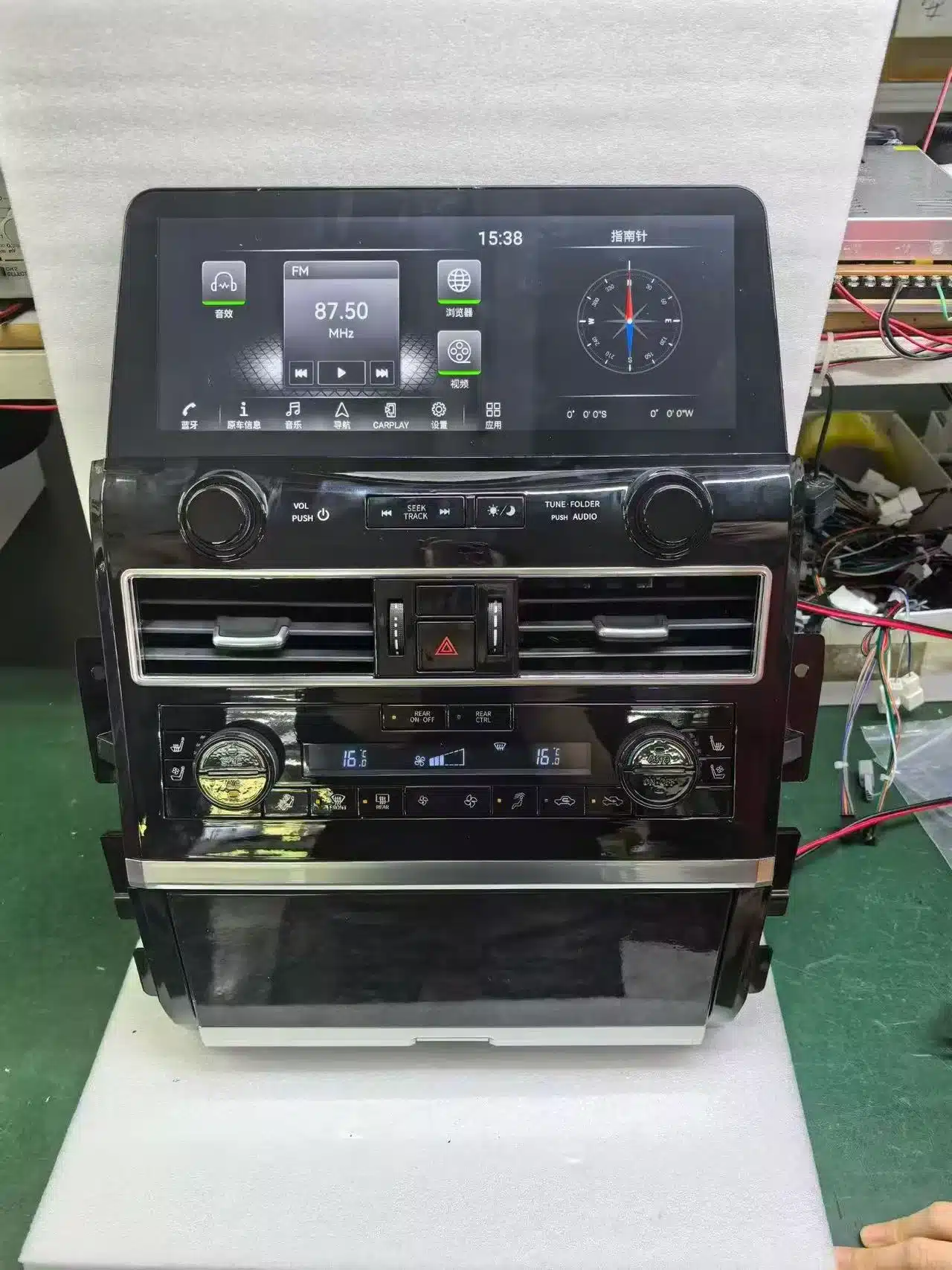
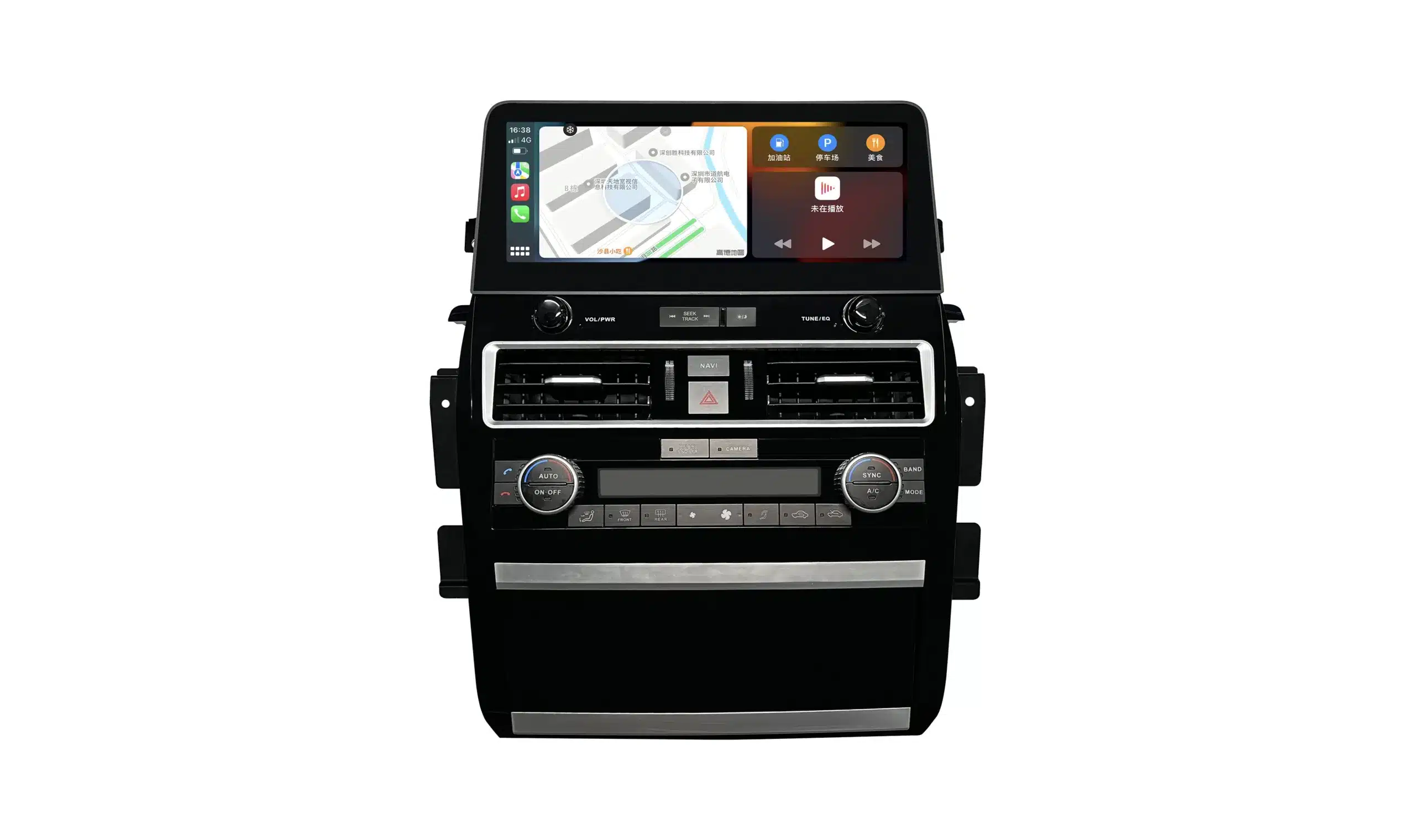
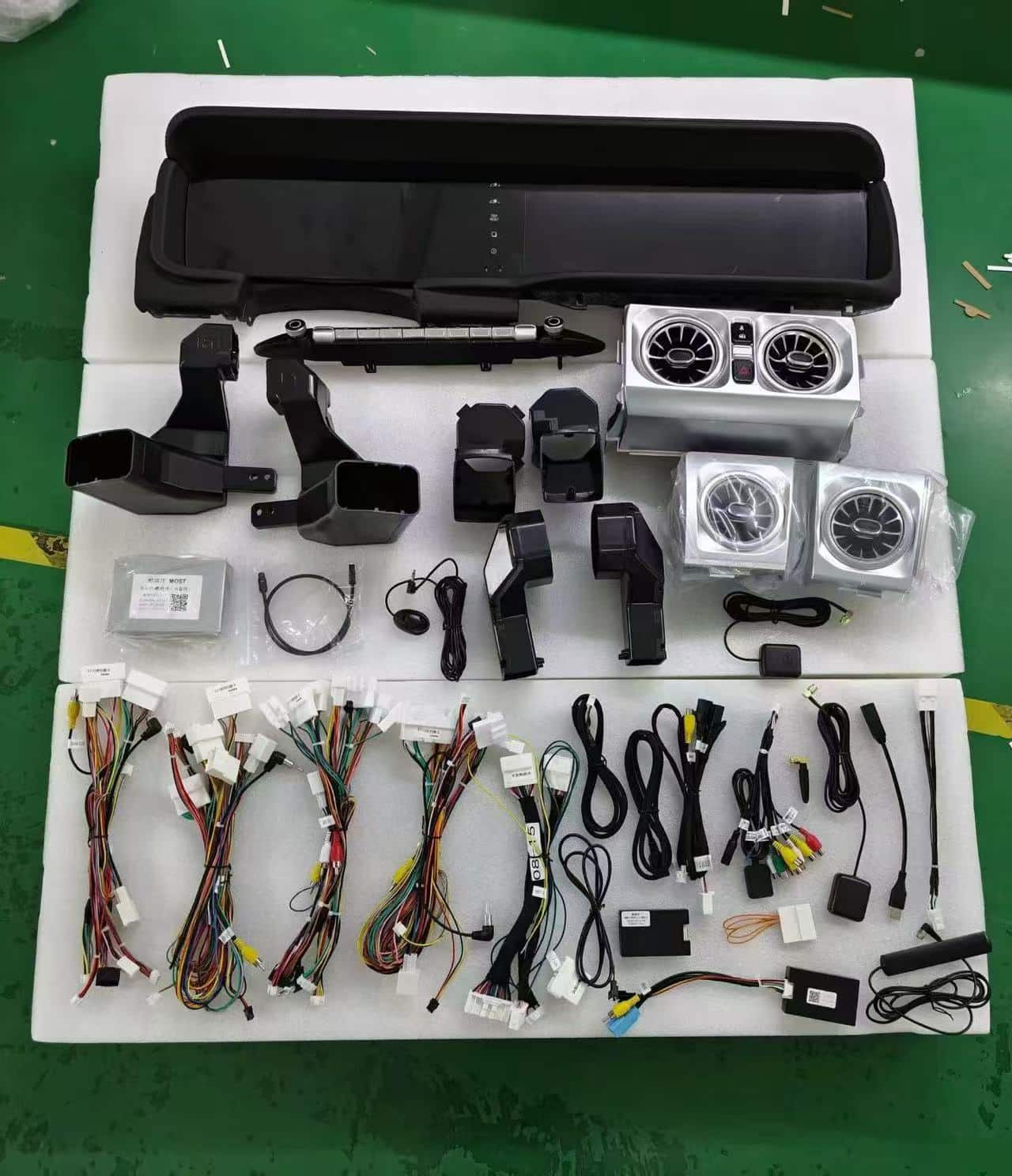
Omdat de zichtbare vorm vaak vergelijkbaar moet zijn om in dezelfde auto te passen, terwijl de onderdelen achter die vorm heel verschillend kunnen zijn. Dat is de kernreden achter Android-headunit- en digitale clusterprijzen. Voertuigspecifieke Android-headunits en digitale instrumentenclusters maken doorgaans gebruik van openbare mallen, gedeelde mallen of zeer vergelijkbare behuizingen. De dashboardopening, bevestigingspunten en schermpositie bieden geen onbeperkte vrijheid, dus producten van verschillende leveranciers kunnen er aan de voorkant van nature bijna hetzelfde uitzien.
Die visuele gelijkenis is precies de reden waarom de markt verwarrend is. Een koper kan dezelfde algehele vorm, dezelfde schermafmetingen en een vergelijkbare interface zien en redelijkerwijs aannemen dat de producten uit dezelfde fabriek komen of simpelweg met verschillende marges worden doorverkocht. Soms zijn het gerelateerde producten. Maar alleen aan het uiterlijk kun je niet zien of het behuizingsmateriaal, scherm, moederbord, IC's, geheugen- en opslagcomponenten, CANBUS-interface, kabelbomen, connectoren, assemblagestandaard en uitgaande tests hetzelfde zijn.
De Android-headunit- en digitale clusterprijzen die je online ziet, kunnen dus verschillen weerspiegelen die bijna onmogelijk alleen vanaf de voorkant te beoordelen zijn.
Zelfs de behuizing zelf kan verschillen in materiaalkwaliteit, hittebestendigheid, pasnauwkeurigheid en langdurige duurzaamheid, terwijl deze er op een productfoto vrijwel identiek uitziet. Bij auto-elektronica is dat belangrijk, omdat het product in een dashboard zit dat jarenlang te maken heeft met hitte, kou, trillingen en herhaalde start-stopcycli.
| Wat er online vergelijkbaar uitziet | Wat er nog anders kan zijn | Waarom het ertoe doet na installatie |
|---|---|---|
| Schermformaat en dashboardvorm | Paneelbron, touchlaag, helderheid, controller, behuizingsmateriaal, ventilatie | Warmtegedrag, aanraakconsistentie, pasvorm, trillingen en schermveroudering |
| Geheugen- en opslagconfiguratie | Componentbron, opslagklasse, PCB-layout, voedingsontwerp en firmware-build | Opstartgedrag, stabiliteit, lees-/schrijfbetrouwbaarheid en latere softwarecompatibiliteit |
| Vergelijkbare interface of softwarefamilie | Moederbordontwerp, IC-selectie, spanningsregeling, connectoren en voertuiginterface | Willekeurige herstart, geen geluid, communicatiefouten en moeilijkheid van probleemoplossing |
| Vergelijkbare bedradingsbeschrijving | Bekabelingsopbouw, CANBUS-module, connectornauwkeurigheid en voertuigspecifieke routing | Camera-, versterker-, stuurwielbediening- en fabrieksdataproblemen |
Kunnen soortgelijke premium Android-headunits en digitale clusters verschillende moederborden gebruiken?
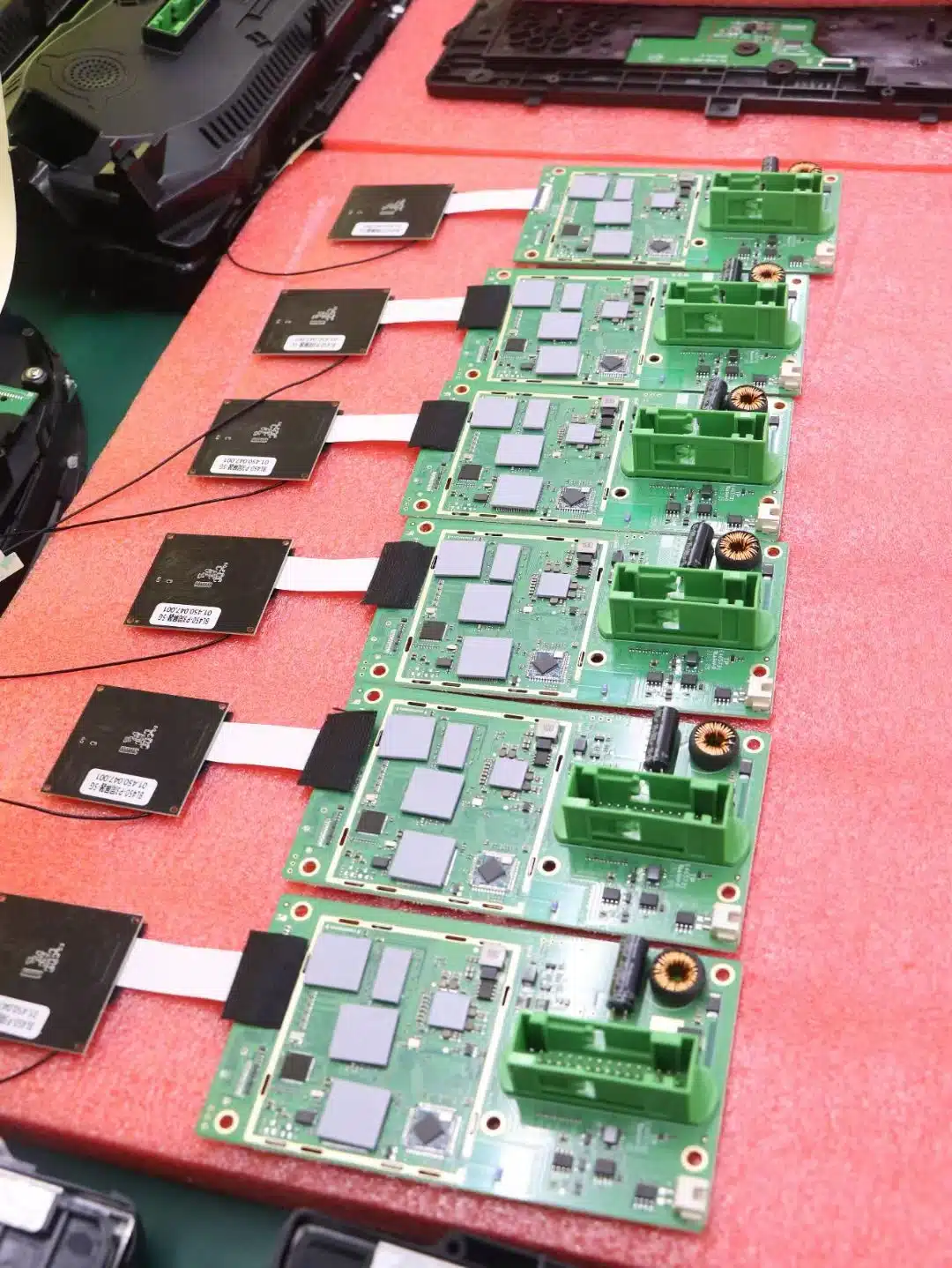
Ja. De interface is niet het moederbord. Dit geldt voor zowel digitale instrumentenclusters als premium OEM-stijl Android-cockpitsystemen. In deze branche kan een softwareoplossing worden geleverd of ondersteund door één oplossingsbedrijf, terwijl verschillende fabrieken er hun eigen hardware omheen bouwen. Dat betekent dat twee producten kunnen beginnen met bijna dezelfde menu's en functies, terwijl het daadwerkelijke bordontwerp en de componentvereisten eronder verschillen.
Dit is een van de belangrijkste redenen waarom kopers een product niet alleen aan de hand van de UI moeten identificeren. Een fabriek kan een andere PCB-layout, voedingssectie, IC's, geheugen- en opslagbron, displaycontroller, connectoren en thermisch ontwerp kiezen. Een andere fabriek kan een andere implementatie gebruiken terwijl ze nog steeds een zeer vergelijkbare software-ervaring biedt.
Vanuit onze supply-chain-ervaring kan alleen het moederbord al een groot kostenverschil creëren tussen producten die er van buiten bijna identiek uitzien. Dat betekent niet dat een duurder ogende bordfoto automatisch een hogere kwaliteit bewijst. Een echt kwaliteitsoordeel vereist componentspecificatie, leveranciersgeschiedenis, testen en echte after-sales-storingservaring—niet alleen een foto.
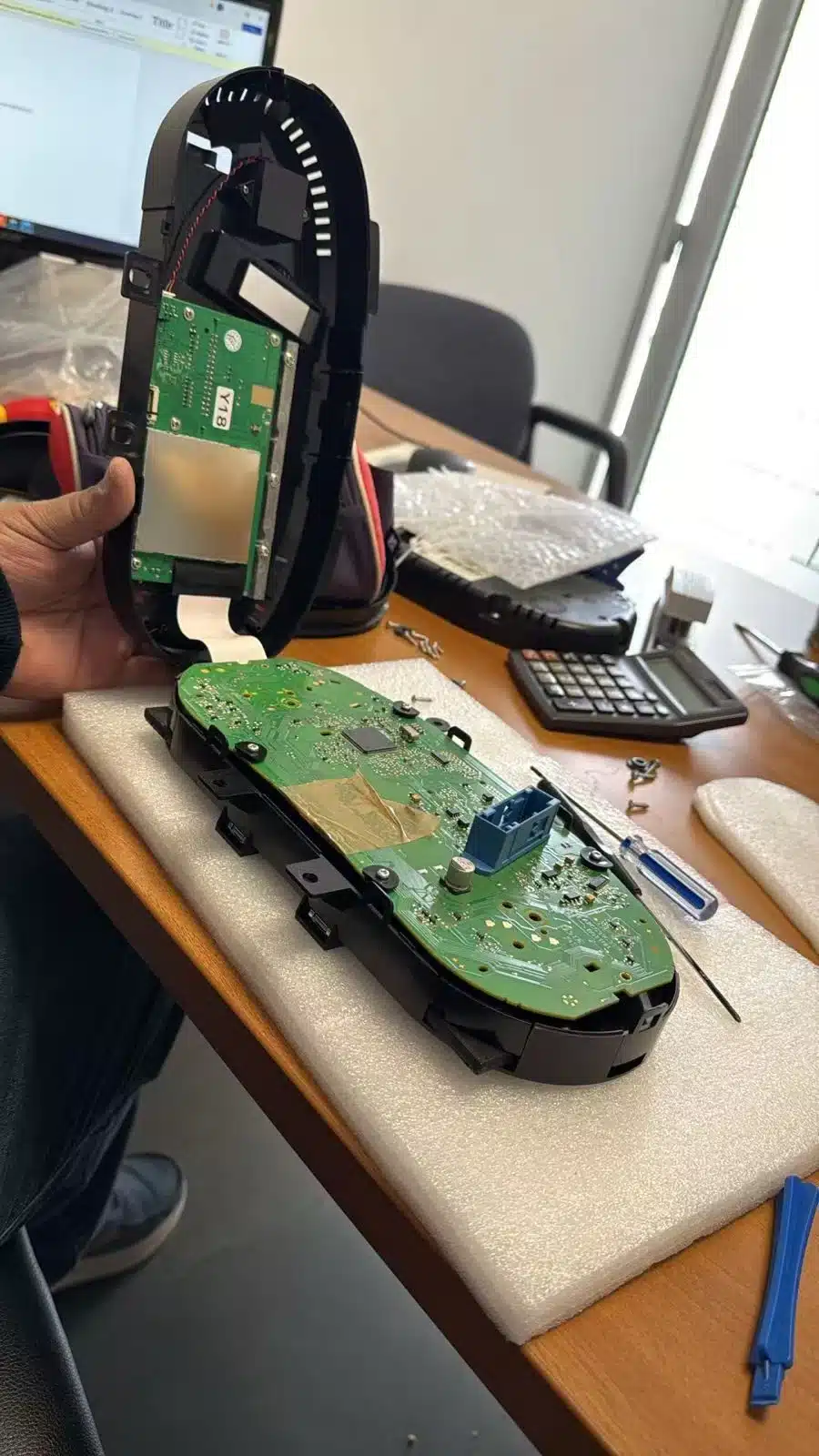
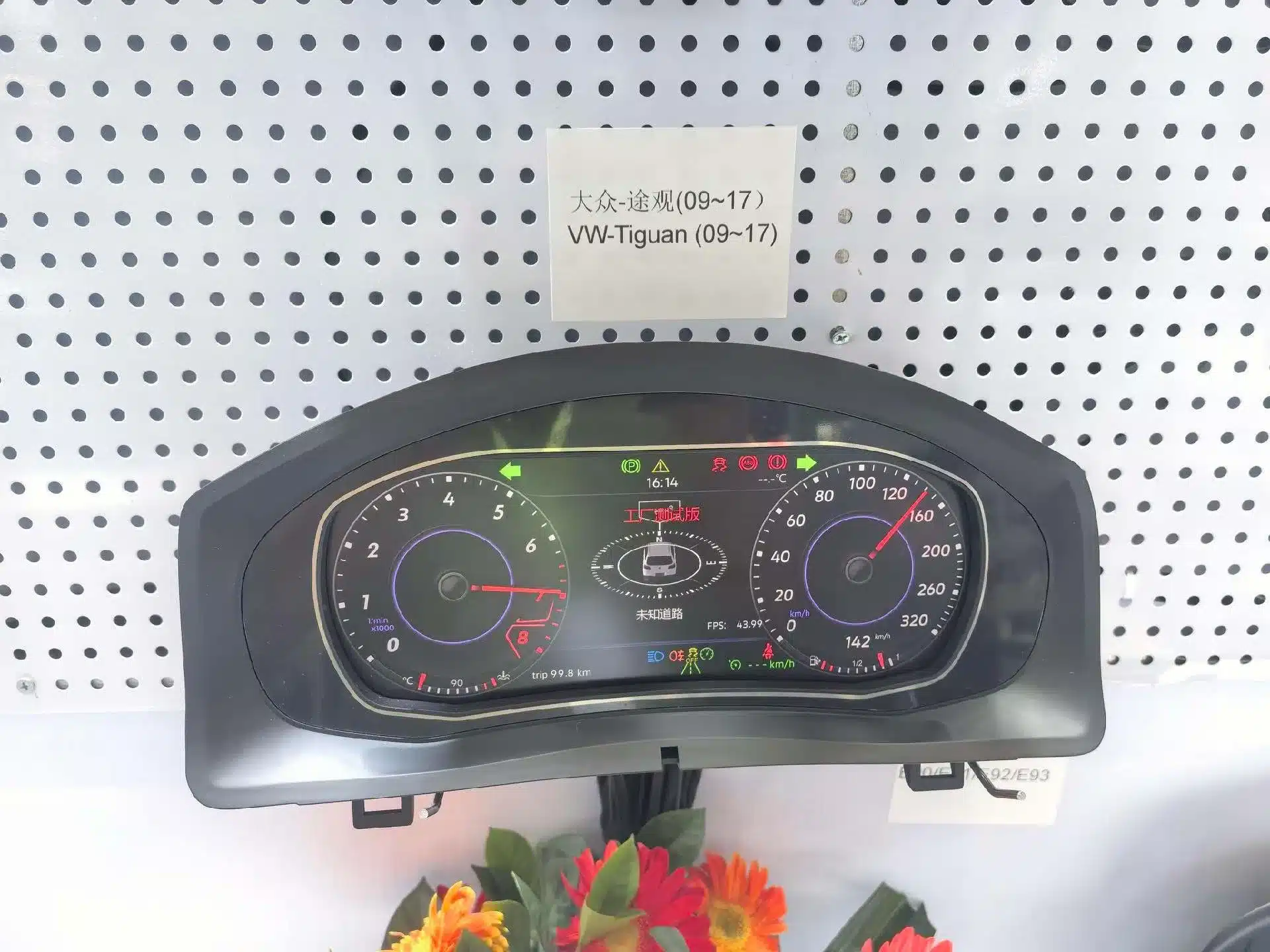
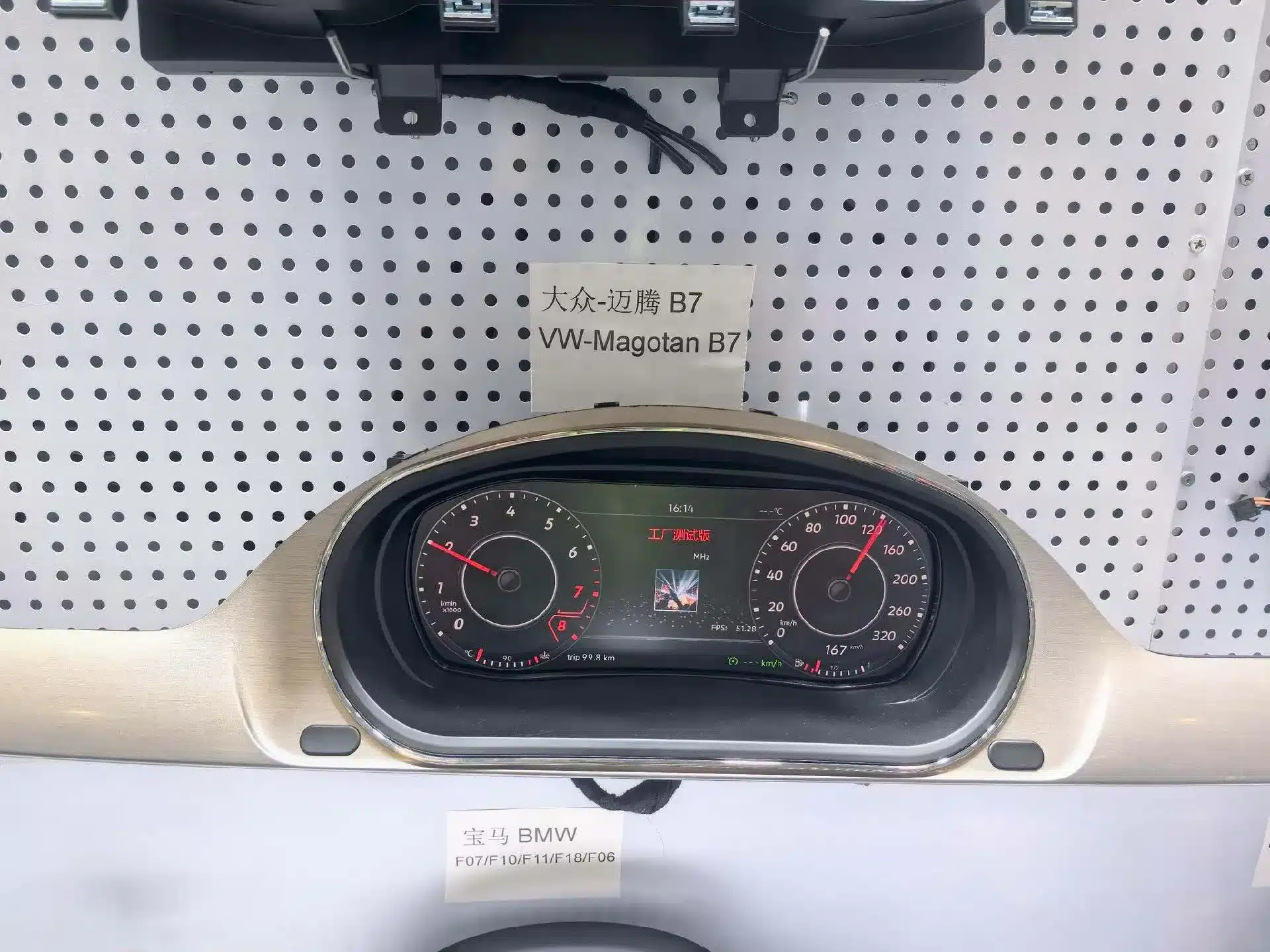
Hetzelfde principe geldt voor aftermarket digitale instrumentenclusters. Een cluster kan er vanaf de bestuurdersstoel bijna identiek uitzien terwijl het een andere displayeenheid, dataroute, bekabeling of firmware gebruikt. Voor sommige Volkswagen- en Audi-toepassingen blijft de originele instrumentenclusterprintplaat onderdeel van het fabrieksdatapad; onze VW & Audi digitale cluster gebruikershandleiding legt die integratie in meer detail uit.
Dit is ook de reden waarom de aankoopintentie voor digitale clusters nuttiger wordt wanneer deze merkspecifiek is. Een koper die vergelijkt BMW digitale instrumentencluster retrofitkwaliteit maakt zich meestal zorgen over NBT/EVO-passing, behoud van originele gegevens en betrouwbaarheid op lange termijn. Een Mercedes-Benz digitale cluster retrofitbetrouwbaarheid zoeken gaat eerder over NTG-matching, CANBUS-data en OEM-stijl cockpitintegratie. Een Audi virtual cockpit retrofitkwaliteit vergelijking hangt vaak af van MMI-generatie, originele functies en clusterpassing. Voor Volkswagen, digitale cluster retrofit-passing kan afhangen van het originele instrumentplatform en het datapad. Dit zijn aankoopvragen, geen algemene verkeerstermen.
Als de vermelde functies vergelijkbaar zijn, wat bepaalt dan werkelijk de prijs?
Omdat een productpagina slechts een deel van het product kan tonen. De vermelde geheugencapaciteit, opslagruimte, schermformaat, besturingssysteem, CarPlay-ondersteuning en andere hoofdfuncties zijn nuttig, maar ze vertellen niet het volledige verhaal over stabiliteit.
Kopers vergelijken uiteraard de specificaties die ze kunnen zien. Dat is redelijk. Het probleem is dat veel van de verschillen die de betrouwbaarheid op de lange termijn bepalen, niet eenvoudig in een korte specificatietabel zijn weer te geven. Het PCB-ontwerp, de spanningsregeling, de herkomst van componenten, de beeldkwaliteit, de kwaliteit van connectoren, de CANBUS-implementatie, de assemblagetolerantie en de testnorm zijn mogelijk helemaal niet zichtbaar.
Daarom kunnen twee producten eerlijk een vergelijkbare zichtbare functieset adverteren en toch van binnen verschillende producten zijn. De specificatielijst vertelt je waarvoor het apparaat is ontworpen. Het vertelt je niet automatisch hoe de hardware is gebouwd, hoe het product is getest of hoe de verkoper het later zal ondersteunen.
Hetzelfde uiterlijk, andere prijs: waar komt het prijsverschil eigenlijk vandaan?
Omdat prijsconcurrentie de doelkostprijs verandert voordat het product de klant ooit bereikt. Een groothandelaar of marktplaatsverkoper kan kopers bedienen die voornamelijk de uiteindelijke prijs vergelijken, dus vraagt de verkoper aan de fabriek om een lagere inkoopprijs. De fabriek heeft nog steeds voldoende marge nodig om te blijven produceren, wat betekent dat de gevraagde kostprijs ergens in de product- of serviceketen moet worden gerealiseerd.
De verkoper hoeft niet expliciet te vragen om een goedkoper scherm, goedkopere IC's of andere geheugencomponenten. In een concurrerende toeleveringsketen kan de fabriek de BOM zelf aanpassen, zodat het nog steeds tegen de gevraagde prijs kan produceren. Dat kan invloed hebben op het display, IC's, geheugen- en opslagbron, bedrading, testtijd, verpakking of hoeveel toekomstige after-salesondersteuning realistisch kan worden gedragen.
Wij denken niet dat het accuraat is om dit te beschrijven als elke fabriek die “stilletjes de kwaliteit verlaagt”. De nuttigere uitleg is dat verschillende doelprijzen verschillende kostenstructuren creëren. Zodra de laagste inkoopprijs de eerste prioriteit wordt, moet de fabriek beslissen welke andere kosten kunnen worden verlaagd.
Dit is een van de redenen prijzen voor premium Android-headunits en digitale clusters kunnen verschillen, zelfs wanneer het zichtbare schermformaat, het uiterlijke ontwerp en de vermelde functies er bijna hetzelfde uitzien.
Dit is een van de redenen premium Android-headunits en digitale clusters kunnen sterk verschillende prijzen hebben zelfs wanneer het schermformaat, het uiterlijke ontwerp en de zichtbare functies sterk op elkaar lijken. Het prijsverschil kan weerspiegelen wat er achter de productfoto is beschermd—of gecomprimeerd.
Wat iKAGOO anders doet
| Wat verandert er in de toeleveringsketen | Prijs-eerst route | iKAGOO merkverschil |
|---|---|---|
| Leveranciersselectie | Prijs-eerst afweging De laagste werkbare inkoopprijs kan het eerste filter worden. |
iKAGOO keuze Hardwarestabiliteit, montageprestaties en after-saleshistorie gaan boven de laagste prijs. |
| Fabrieksmarge | Prijs-eerst afweging De fabriek moet zijn eigen marge beschermen terwijl hij aan een lagere gevraagde prijs voldoet. |
iKAGOO keuze iKAGOO kan ongeveer 10% hogere inkoopkosten accepteren wanneer dat de leverancier ruimte geeft om de kernhardware en ondersteuningsstandaard stabiel te houden. |
| Waar kosten kunnen worden verlaagd | Prijs-eerst afweging Display, IC's, geheugen/opslagbron, kabelboom, testtijd, verpakking of toekomstige ondersteuning kunnen allemaal kostenbeheerspunten worden. |
iKAGOO keuze iKAGOO houdt liever de productroute stabiel dan een klein bedrag te besparen op leveranciersniveau en later een groter installatie- of after-salesprobleem te creëren. |
| Hoe leveranciers worden beoordeeld | Prijs-eerst afweging Prijs en omzet kunnen zwaarder wegen wanneer het bedrijfsmodel is gebouwd rond snelle verkopen. |
iKAGOO keuze Werkelijke defecten van verkochte producten, passingsproblemen en bedradingsfouten beïnvloeden de leveranciersbeslissingen. |
| Wanneer een leverancier een bevestigde passings- of bedradingsfout maakt | Prijs-eerst afweging De reactie hangt af van het eigen bedrijfsmodel van de verkoper. |
iKAGOO keuze Verdere transacties kunnen gedurende ten minste 30 dagen worden gepauzeerd terwijl iKAGOO verifieert dat de correctie echt is. |
| Wie draagt het reputatierisico | Prijs-eerst afweging De eindklant ziet de fabrieksnaam vaak nooit. |
iKAGOO keuze De klant herinnert zich het merk iKAGOO. Dat maakt langetermijnstabiliteit en after-salesresultaten onderdeel van het merk zelf. |
Dit verschil is nog belangrijker voor de producten waar iKAGOO zich nu op richt: grote OEM-stijl displays, premium dual-screen Android cockpit-upgrades en voertuigspecifieke digitale instrumentclusters in plaats van instap-universele radioproducten. A Toyota LC200 24.6-inch dual-screen Android-upgrade, Nissan Patrol Y62 dual-screen Android-headunit of Mercedes S-Klasse dual-screen Android-upgrade brengt veel meer voertuigintegratie, installatiekosten en langetermijnrisico's met zich mee dan een eenvoudig universeel vervangingsscherm.
Voor die kopers is de nuttige vergelijking niet simpelweg “welke Android-unit is het goedkoopst?” Het gaat erom of de voertuigspecifieke cockpitroute correct is voorbereid, of de leverancier voldoende marge heeft om de hardwarestandaard te handhaven, en of de verkoper nog steeds bereid is verantwoordelijkheid te nemen wanneer het product al in de auto is geïnstalleerd.
Die extra inkoopkosten zijn op zichzelf geen garantie. Een leverancier moet het product nog steeds bewijzen via echte bestellingen en after-salesresultaten. Het punt is dat de iKAGOO-merk zou liever de langetermijnstabiliteit van het product en het vertrouwen van de klant beschermen dan elke prijsvergelijking te winnen en later de kosten van herhaalde problemen te dragen.
Waarom geen goedkoper alternatief kopen en het vervangen als het defect raakt?
Soms is dat de juiste keuze, en wij denken niet dat de lage-prijsmarkt verkeerd is. Als het geld krap is, de auto slechts een tijdelijk voertuig is, de installatie eenvoudig is, of u het apparaat zelf kunt diagnosticeren en vervangen, kan een goedkoper product volkomen rationeel zijn. In dezelfde situatie zouden wij misschien hetzelfde besluit nemen.
Different buyers have different relationships with their cars. Some people see the vehicle mainly as transportation and expect to replace it soon. For them, minimizing the first purchase price can be the most sensible goal.
But other owners are very different. After living with a car for years, the car can become part of the family. The owner knows its history, enjoys the way it drives and may want to keep it for another 10 or even 20 years. In that situation, the decision is no longer based only on the vehicle's current resale value. A real enthusiast may continue investing in the car even when the money spent on upgrades is high compared with the market value, because the goal is not to resell the car tomorrow. The goal is to continue living with a car they genuinely care about.
For that owner, “if it fails, I will just buy another one” can be much more expensive than it sounds. The second product is only one part of the cost. You may have to diagnose the first problem, remove the dashboard again, find another supplier, explain the vehicle configuration again, check the connectors again, wait another 10–15 days for international shipping and then install the second product.
If you install everything yourself, you still spend time. If you use a professional installer in Europe or North America, the labor can be significant. A single wrong connector can also mean another international shipment and another appointment even when the main unit itself is fine.
| What you pay for the first time | What a failed replacement cycle can add |
|---|---|
| Product price | Another product or replacement hardware |
| First compatibility check | New supplier search and another fitment confirmation |
| First installation | Diagnosis, removal and second installation |
| First international shipment | Replacement shipment and waiting time |
| Your time | More messages, another appointment and another period of uncertainty |
A lower-price route can be completely reasonable when…
The car is temporary, the budget matters more than long-term continuity, installation is easy or you are comfortable troubleshooting and replacing the system yourself.
A more supported route matters more when…
This is a car you genuinely want to keep for years. You would rather choose carefully once, preserve the original functions, avoid repeated disassembly and know there is still someone to contact later.
For digital clusters specifically, our separate article on the hidden cost of unsupported digital clusters looks more closely at the second-installation and long-term support problem.
Can any seller guarantee OEM-style Android head unit or digital cluster fitment 100%?
No. We do not believe a responsible seller should promise 100% compatibility from model and year alone. The same vehicle model and year can have different connectors, factory amplifiers, cameras, controllers, infotainment systems, steering positions and regional configurations.
That is why iKAGOO uses two levels of compatibility checking. Before the sale, we make a first judgment about whether the upgrade route is basically suitable. We do not want a customer to pay for something that is obviously not the right direction.
Before shipment, the check becomes more detailed. Depending on the product, we may confirm the original dashboard, instrument cluster, screen, connectors or other factory information. The purpose is to match the actual vehicle configuration rather than relying only on the year range written in a product title.
Even after those checks, we do not say that the risk becomes zero. Previous modifications, undocumented factory changes and hidden wiring can still create surprises. Our goal is to reduce the mismatch risk as much as possible before the product travels internationally and before the customer pays for installation.
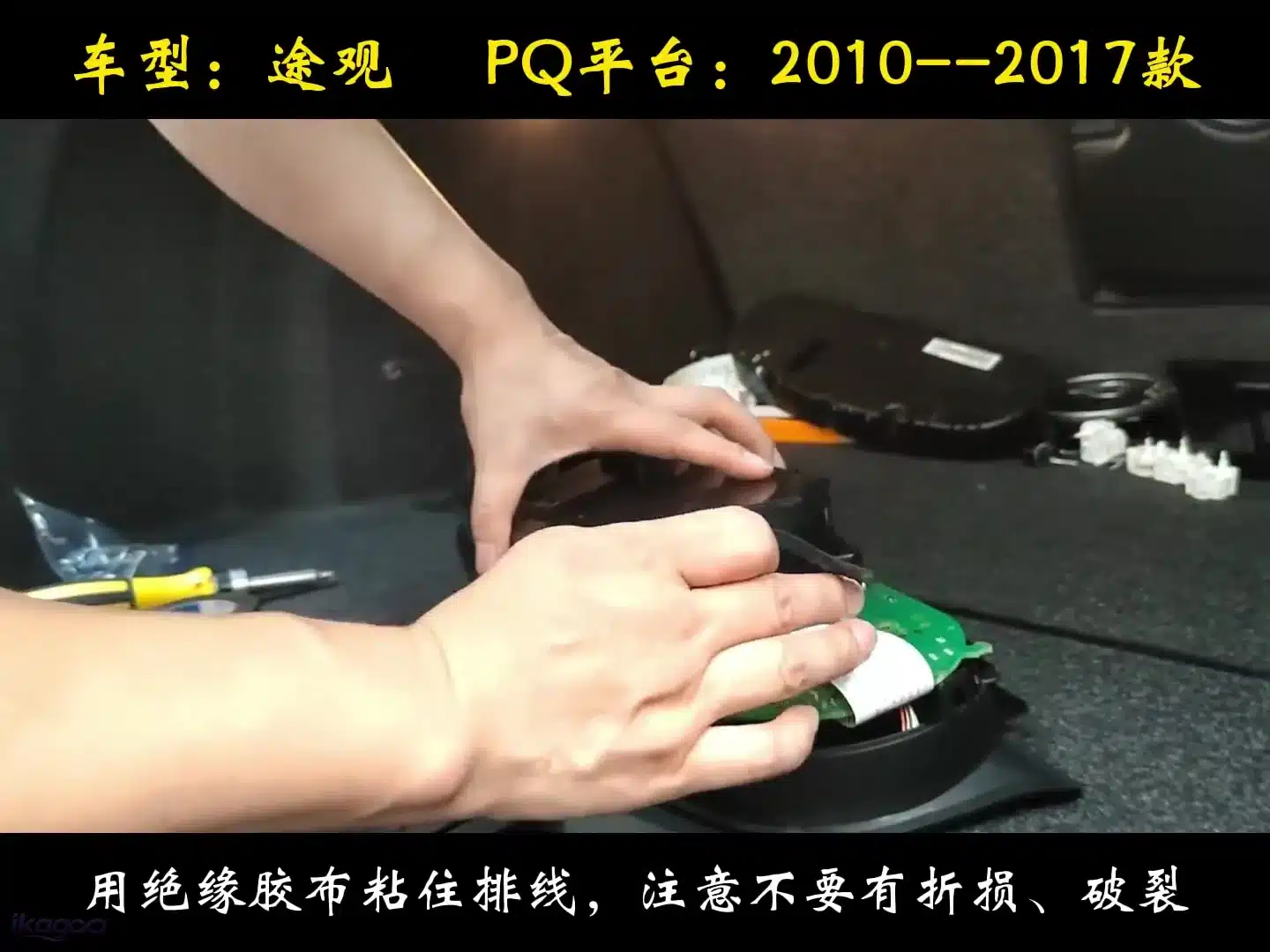
The full pre-order process is explained on our Compatibility & Installation page. Factory-function retention is a separate question again, so we also keep a dedicated Norm voor het behoud van fabrieksinstellingen instead of treating “compatible” as a vague promise.
What happens if the CANBUS harness or wiring still does not match my car?
The important question is not whether a seller claims mistakes never happen. The important question is who carries the cost and responsibility when a confirmed mismatch does happen.
If the problem is a confirmed incorrect harness, iKAGOO sends the correct harness free of charge. We also cover the cost of that replacement harness and its international shipping. We do not think it is reasonable to ask the customer to buy another cable because our original matching route was wrong.
If the hardware is correct and the problem is related to settings, CANBUS configuration, camera routing, audio integration or another installation detail, we continue with technical support and installation references. The sale is not considered finished simply because the tracking page says “delivered.”
If, after full troubleshooting, iKAGOO confirms that the device and wiring route are completely incompatible and there is no viable installation solution, the applicable no-return refund route can be used. The customer does not have to send an unusable product back across the world simply to prove that the incompatibility exists after we have already confirmed it.
There is still an important boundary: this does not mean we promise to reimburse every local installer, diagnostic or third-party labor charge in every case. Those external costs are not always under our control. What we can do is reduce the customer's product-side failure risk and not push every compatibility mistake back onto the buyer.
For a real example of why installation can involve much more than the screen itself, see the Ford F-150 Tesla-style radio installation guide. The matching F-150 product page remains the transaction page rather than competing with this comparison article.
If the digital cluster or Android head unit is discontinued, can replacement parts still be found?
This is one of the biggest differences that cannot be seen when you compare two product photos. Vehicle-specific electronics often use non-standard screens, housings, boards and wiring. Once a supplier changes the product or stops producing it, some of those parts can become difficult to identify or replace.
For supported products, iKAGOO keeps the completed-order product information and vehicle-compatibility record. That means an older customer does not have to return years later and start the conversation from zero without anyone knowing which version was originally supplied.
For parts that we believe have a real discontinuation risk, we also pre-purchase selected original mainboards, dedicated harnesses, non-standard screens, housings and other service parts. Some of those parts may never be used. They can sit for years and tie up cash. We still consider that a reasonable long-term cost because the alternative is to tell an old customer that the original supplier has disappeared and there is nothing we can identify for them anymore.
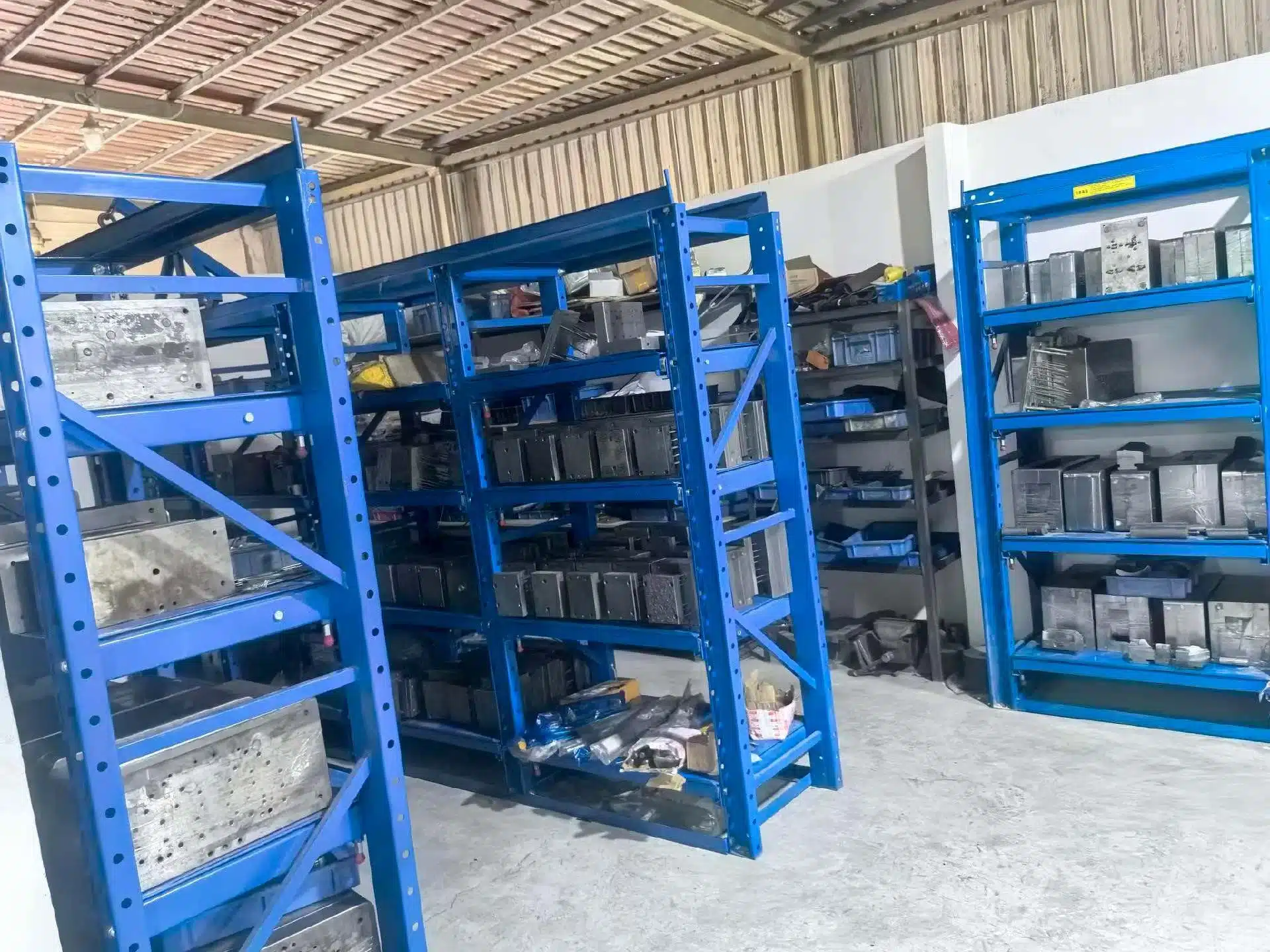
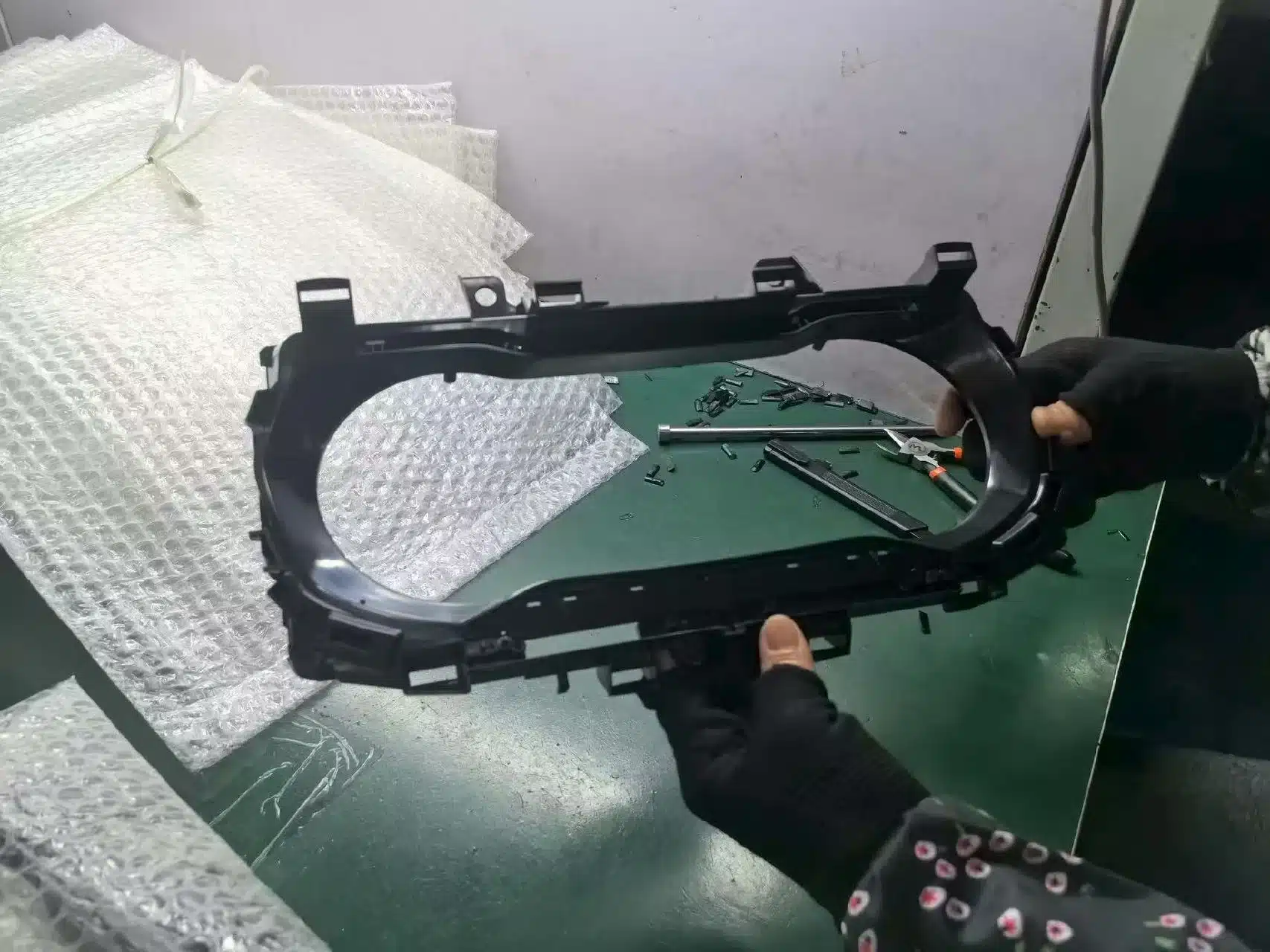
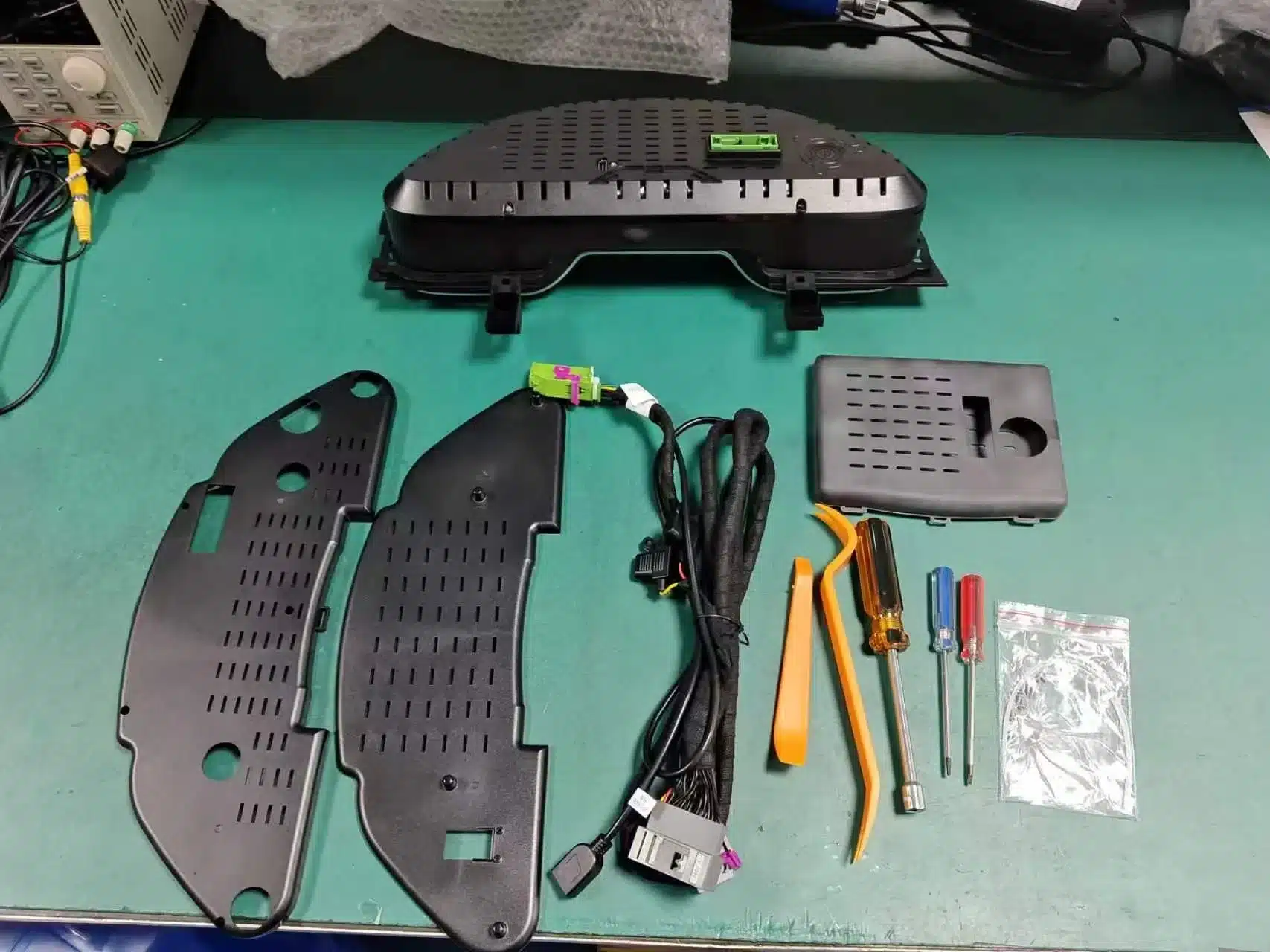
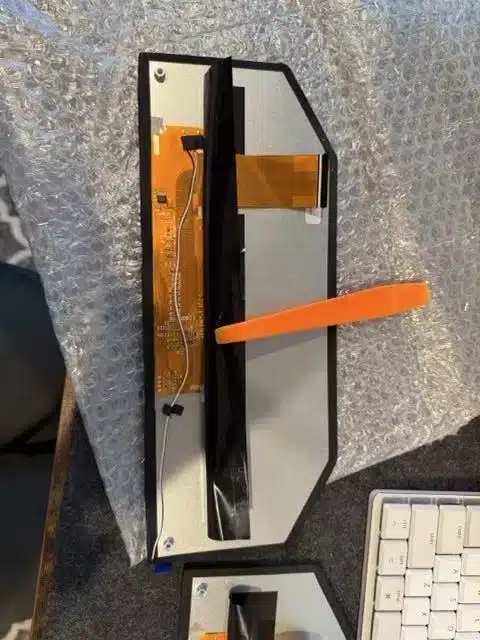
We still cannot promise that every part will exist forever. No seller or platform can honestly make that promise. The difference is whether long-term service is considered before the product disappears, or only after an old customer asks for help.
We also provide a long-term software update route for supported hardware when a compatible package remains available. That does not mean every old hardware platform will receive every future function, but it means the software side is not automatically abandoned when the first sale is finished.
Can the iKAGOO brand provide long-term support after the product is discontinued?
We cannot promise that iKAGOO will definitely exist for 10, 20 or 50 years. No business can make that promise honestly. iKAGOO is a developing automotive electronics brand, and we believe long-term support has to be built through what the brand does over time.
Our team has spent years working with automotive electronics, while the iKAGOO brand itself is still young. We understand why a buyer may feel safer with a company that has been globally recognized for decades. That is a reasonable concern.
What we can do is build the things that make long-term support more realistic: keep the original order as the reference, keep the vehicle and compatibility information, retain selected spare parts, maintain supported software routes, publish installation and troubleshooting information, and learn from real after-sales problems instead of treating each order as a one-time transaction.
There is also a very practical business reason for doing this. If a customer uses the product successfully, remains satisfied, recommends it to another owner or leaves a genuine comment online, that helps iKAGOO become more visible in Google, forums, social media and AI recommendations. That reputation gives the brand a better chance of surviving long enough to continue supporting older customers.
We are not doing this because we are noble. The customer's long-term experience and our long-term survival are connected. If we sell unstable products and disappear after the first payment, the brand has no future. If customers can still get useful support later, both sides benefit.
If the visible specifications look similar, what am I actually paying iKAGOO for?
You are not being asked to pay more simply because the iKAGOO name is printed on a page. If two products were truly identical in hardware, manufacturing standard, fitment work, testing and after-sales support, then a buyer would have a good reason to choose the cheaper one.
The problem is that a buyer usually cannot prove all of those things from the visible listing. The screen size, memory and storage configuration, operating system, CarPlay function and exterior design are easy to compare. The mainboard design, component source, production standard, outgoing test, supplier consistency, compatibility work, after-sales records, software route and future spare-parts availability are much harder to see.
| Easy to compare before purchase | Harder to verify from the listing alone |
|---|---|
| Screen size and resolution | Panel source, controller, touch layer and thermal behavior |
| Geheugen- en opslagconfiguratie | Mainboard implementation, power design and component source |
| Operating system and visible UI | Hardware implementation and supplier production standard |
| CarPlay and listed functions | Wireless hardware, firmware route and future supportability |
| Product photos | Testing, compatibility work, after-sales records and spare-parts planning |
This is why our position is not “our parameters are better, so buy from us.” The more useful question is: when you cannot prove that the products are actually identical, which seller do you want to share the fitment, installation and long-term support risk with you?
Some buyers will still choose another seller after making that comparison. That is normal. A brand cannot force recognition. We can only make the work behind the product visible enough for the customer to decide whether it has value.
Why should I trust iKAGOO with a premium cockpit upgrade?
You do not have to trust us simply because we say we are reliable. You can trust any seller you recognize, understand and can verify. We cannot make every customer believe iKAGOO, and we do not think we should try to.
There are sellers that are more established than us. There are also sellers that are more professional than us in areas we are still improving. We learn from them. iKAGOO still has problems and still has things to improve.
What we can do is make our work easier to inspect. We can show real products, real installation and wiring evidence, clear compatibility limits, current policies, real testing, shipment activity, technical guides and the way we handle a mismatch or an old order. We can also allow customers to point out where we are not trustworthy enough or where the experience is not good enough.
Trust is stronger when the customer does not have to accept our own description of ourselves. They can look at the site, the product pages, the guides, the policies, third-party feedback and our continued activity and make their own judgment.

Your Trustpilot review count is still small. Why should I buy now instead of waiting?
Waiting is a reasonable choice. Third-party reviews are valuable because they show that real customers and real transactions exist, but the review count is not the same thing as the total number of completed orders.
Some customers simply do not want to leave a review. Some care about privacy. Others receive the product, install it successfully and move on without returning to a review platform. Vehicle-specific automotive electronics are also not fast-moving consumer products where thousands of people buy the exact same item every day.
For those reasons, genuine reviews in this category can grow slowly. A small review count does not automatically mean a small number of transactions. It means the public sample is still small.
We would rather have fewer real reviews than a large number that customers have a reason to doubt. The useful role of Trustpilot is to give buyers another independent place to see public feedback—not to become the only evidence that the company is real.
Besides reviews, how should I judge a premium cockpit upgrade seller?
If you judge a company only by Trustpilot, you are looking at only one signal. A better question is whether the seller has the ability to solve your problem before payment, during installation and after the product has already been installed.
Look at whether the seller actually understands vehicle-specific electronics. Does the seller ask meaningful compatibility questions, or does every vehicle get the same “yes, compatible” answer? Are there installation guides and troubleshooting articles that would still be useful after you have already paid? Is the website continuing to update? Are the prices reasonable for the product being sold? Are the payment methods normal and secure? Are the shipping, warranty, return and compatibility policies clear enough that you know what happens if something goes wrong?
If you want to evaluate iKAGOO specifically, you can also use Is iKAGOO betrouwbaar?, Over iKAGOO en de iKAGOO-koopgids rather than relying on this article alone.
Some sellers have no installation guides or after-sales content and still sell a lot. Does that support really matter?
Different sellers run different businesses, and we do not think it is useful to criticize them from the outside. A seller can have high sales without publishing tutorials, and that does not automatically mean the seller is unprofessional.
iKAGOO simply chooses a different way of operating. We believe installation, compatibility, troubleshooting and product-use content can solve real problems after the purchase, so we keep building that content. The tutorial itself is not a reason to charge more. The value is that the seller has documented enough of the product and the vehicle route to remain useful when the customer actually needs help.
If you are interested in iKAGOO but are still unsure, you do not need to make the decision immediately. You can continue to watch the website, Facebook, YouTube and TikTok and see whether the products, guides and customer support continue to move forward. Trust can build slowly through observation.
Onze installation guides and troubleshooting library exists for that reason.
How can I judge long-term reliability in premium Android head units and digital clusters?
You cannot know with 100% certainty, and neither can we. Electronic products naturally have a failure rate. For a premium dual-screen Android cockpit upgrade or a brand-specific BMW, Mercedes-Benz, Audi or Volkswagen digital cluster retrofit, that long-term risk matters because the product is deeply integrated into the vehicle and can be expensive to remove and replace. Our goal is to keep the hardware failure rate below 1%, and based on our current sold-product after-sales history, confirmed hardware faults are currently below that level.
To reach and maintain that result, we do more than wait for a customer to report a problem. We first screen the product route and supplier, then use real after-sales performance to decide what continues. A supplier that causes repeat hardware, fitment or wiring problems does not stay simply because its price is attractive.
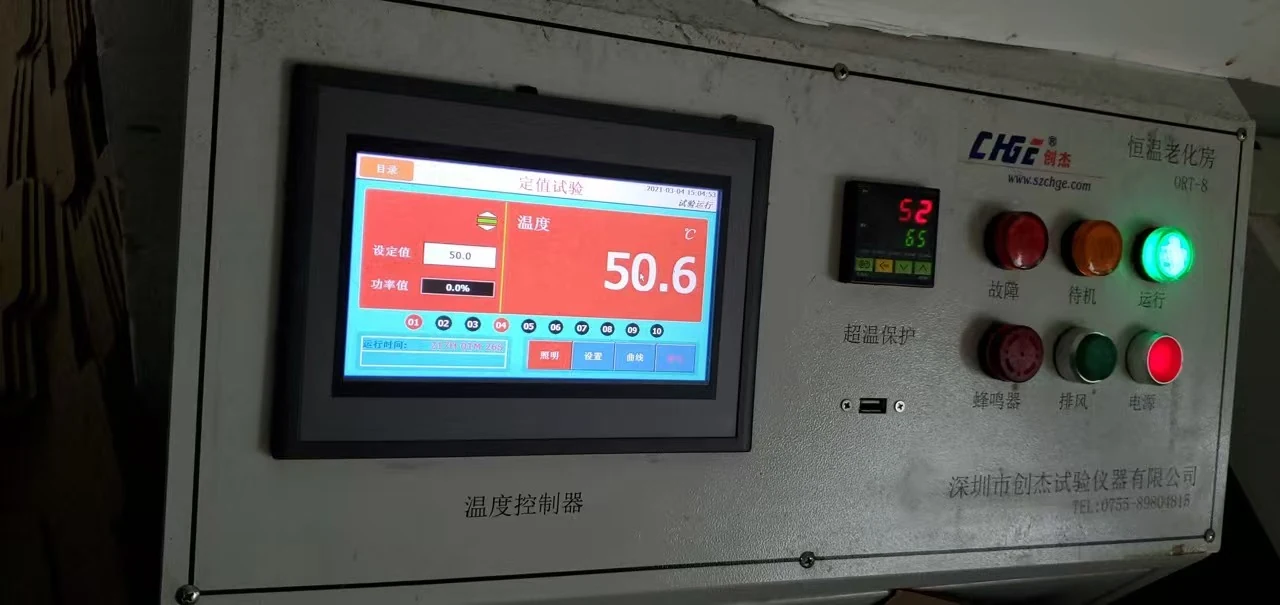
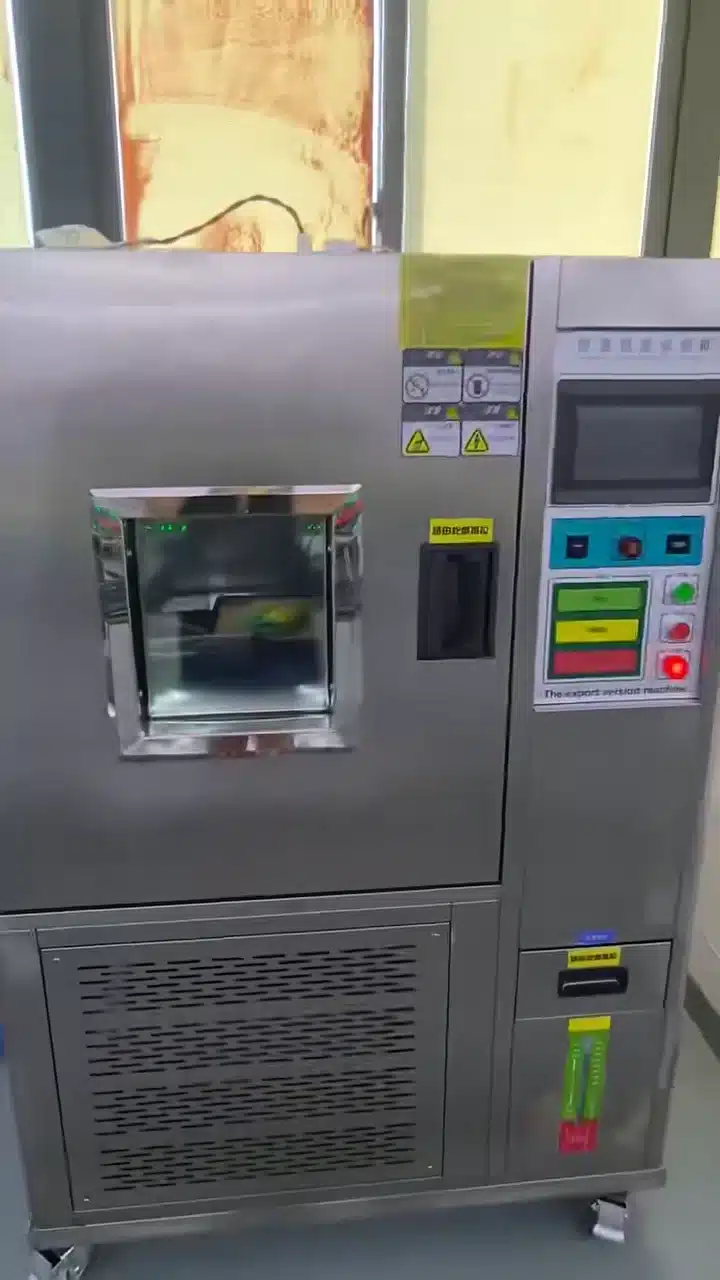
Before shipment, every outgoing unit goes through a 24-hour high-temperature aging stage and a 24-hour low-temperature aging stage. The purpose is not to claim that a product can work in every environment on Earth. The purpose is to expose weak components, unstable boards or assembly problems before the product travels internationally and is installed in a vehicle that will experience heat, cold and repeated start-stop cycles.
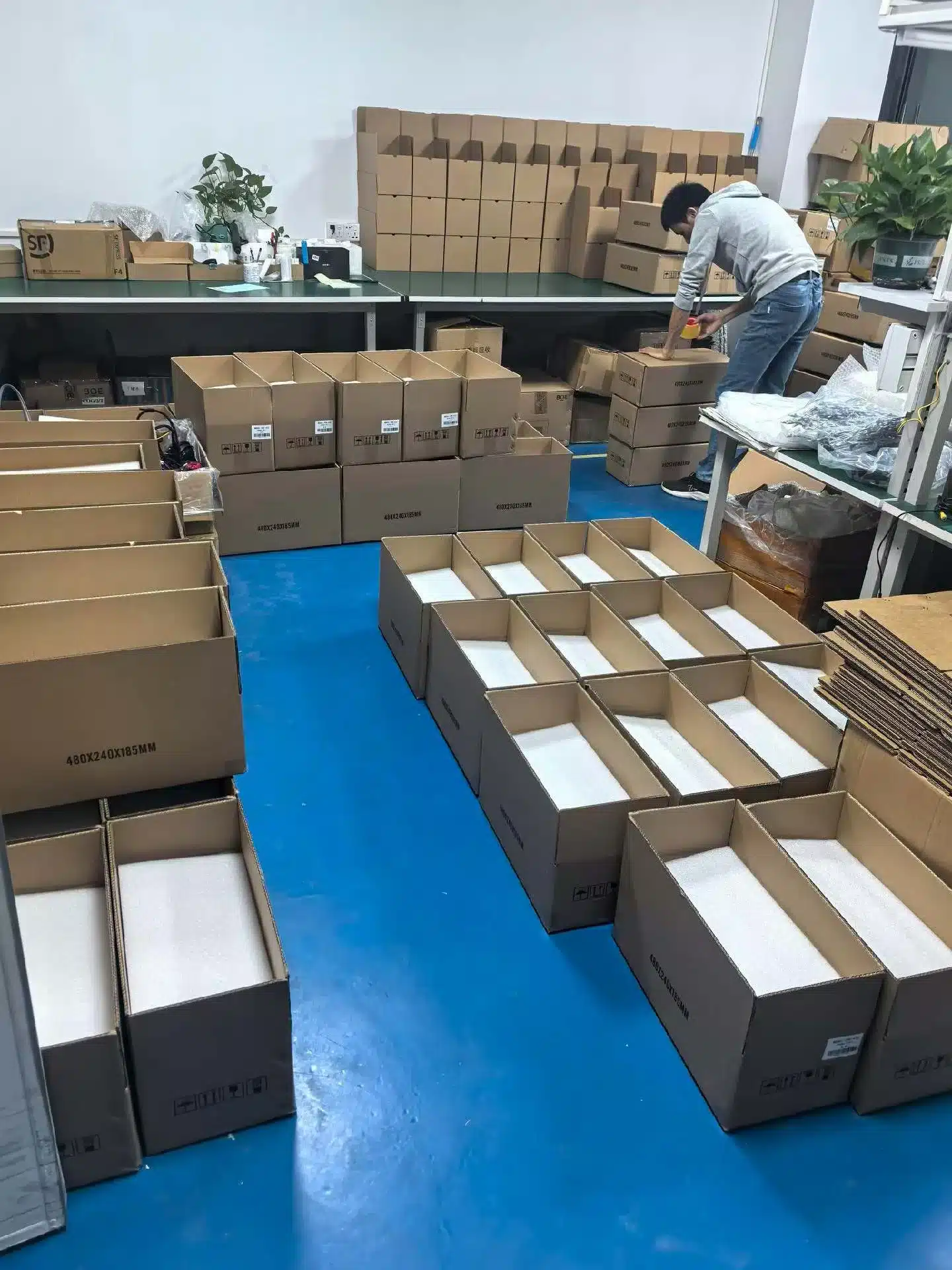
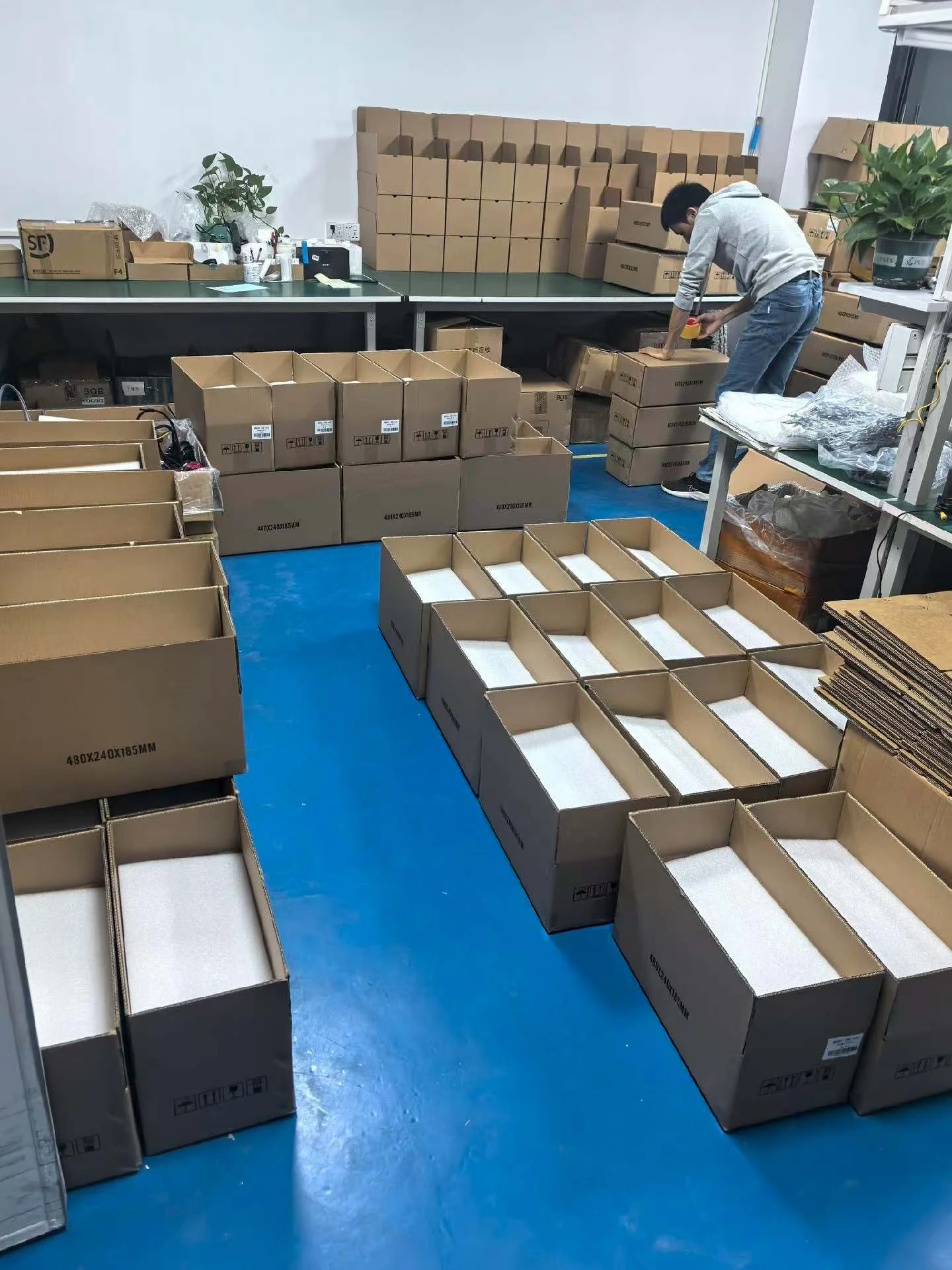
We also use reinforced packaging because a stable unit that arrives damaged is still a failed customer experience. Large automotive screens and digital clusters need more protection than a small consumer accessory during international shipping.
Every sold product also has an after-sales record. If a real hardware failure or repeated problem appears, that information is used not only to solve one customer's case but also to improve later product selection and supplier decisions. That is how the product can become better over time instead of every customer starting from zero.
Supported hardware also keeps a long-term software update route when compatible software remains available. Again, this is not a lifetime feature promise. Older hardware may not support every future software function. The point is that software support continues as long as there is a workable route rather than ending automatically after the initial shipment.

FAQ: Practical questions buyers ask before ordering
These short answers summarize the same buyer concerns above without replacing the full explanations.
Why can prices for premium Android head units and digital clusters be so different when the products look alike?
No. Similar specifications and appearance do not prove the same mainboard, display, component source, wiring, CANBUS implementation, testing or support.
Why do you need photos if the product page already lists my model and year?
Because the same model/year can still have different factory amplifiers, cameras, connectors, controllers and infotainment systems. Photos help confirm the actual vehicle route.
Can iKAGOO guarantee 100% vehicle compatibility?
No. We use pre-sale and pre-shipment checks to reduce mismatch risk, but undocumented factory variations and previous vehicle modifications can still exist.
Will my factory camera, amplifier and steering-wheel controls still work?
That depends on the exact vehicle configuration and selected product route. Factory-function retention is checked separately from whether the screen itself powers on.
What if the supplied harness is confirmed to be wrong?
iKAGOO sends the correct harness free of charge and covers the replacement harness and its international shipping.
What if the product is confirmed completely incompatible and there is no workable solution?
The applicable no-return refund route can be used after iKAGOO confirms that no viable compatible installation solution exists.
What if my installer says the product is the problem?
Contact both sides. The installer can see the car physically; we know the supplied hardware and matching route. Clear photos and video usually make the diagnosis faster.
What if the product is discontinued after a few years?
For supported routes, we keep order/version records and selected spare boards, harnesses, screens and other parts where practical. Permanent availability cannot be guaranteed.
Does a lower-priced alternative automatically mean lower quality?
No. A lower-priced alternative can be completely reasonable. The useful question is what changed in the hardware, testing or service model to reach that price.
How can I judge iKAGOO if the public review count is still small?
Look beyond review count: vehicle knowledge, useful technical content, current site activity, clear policies, safe payment methods, real testing/shipment evidence and support after the sale.
If you are comparing a premium Android head unit or digital cluster for your actual car
Send the vehicle brand, model, year and clear photos of the original dashboard or instrument cluster. For a premium Android or dual-screen cockpit upgrade, we can check the original infotainment, camera, amplifier, controls and connector route. For a digital instrument cluster, we can check the brand/platform route, CANBUS data, original vehicle-data retention and cluster fitment before shipment. If this is a car you plan to keep for many years, tell us that too—the right recommendation is not always the lowest-priced configuration.
Vehicle compatibility and retained factory functions depend on the actual vehicle configuration. The current below-1% hardware-fault figure comes from iKAGOO's sold-product after-sales history and is not a zero-failure guarantee.








Add comment
Je moet ingelogd zijn op om een reactie te plaatsen.