


Is een upgrade van de auto-elektronica de moeite waard? De iKAGOO-norm voor de noodzaak van een upgrade
iKAGOO-normen en verificatie
Kort antwoord: Is het de moeite waard om de elektronica in je auto te upgraden?
Is een upgrade van de auto-elektronica de moeite waard? Deze norm stelt één specifieke vraag: is een volledige upgrade voor dit voertuig en deze eigenaar zinvoller dan het originele systeem te behouden, het te repareren of een kleinere uitbreiding te gebruiken? De staat van het originele systeem, de wensen van de eigenaar, de huidige last van tijdelijke oplossingen, bewezen productverbeteringen, alternatieve mogelijkheden en de waarde op lange termijn worden afzonderlijk beoordeeld.
Wat de score meet
De iKAGOO Upgrade Necessity Score geeft aan of een volledige upgrade van de elektronica gerechtvaardigd is voor een bepaald voertuig en het daadwerkelijke gebruik door een eigenaar. Er worden geen punten toegekend voor compatibiliteit of installatiegemak. Dat zijn afzonderlijke verplichte criteria binnen de iKAGOO-normen voor OEM-compatibiliteit en installatiemoeilijkheidsgraad.
Kennisgeving inzake het toepassingsgebied
Deze norm is uitsluitend van toepassing op voertuigspecifieke producten die door iKAGOO worden geleverd en getest. Het resultaat is afhankelijk van de vastgestelde voertuigconfiguratie, hardware, kabelboom, interfacemodules, firmware en installatieroute. Het mag niet worden toegepast op visueel vergelijkbare producten van andere leveranciers.
Dit is een beoordelingsnorm van het merk iKAGOO, en geen onafhankelijke branchecertificering, laboratoriumbeoordeling of garantie voor universele compatibiliteit.
Maximale afmeting
Elke relevante dimensie wordt afzonderlijk beoordeeld op een schaal van 0 tot 99.
Afzonderlijke productnormen
De resultaten van de Android-autoradio, de geïntegreerde cockpit en het digitale instrumentenpaneel zijn niet eenduidig.
Beoordeling van gecontroleerde items
Elke dimensie bestaat uit drie items, die elk een score van 0, 11, 22 of 33 kunnen krijgen.
Eindresultaat van de noodzaak
De categorie-score is het rekenkundig gemiddelde van de zes categorie-specifieke dimensies.
Drie onderling gekoppelde iKAGOO-normen
Neem de aankoopbeslissing in de juiste volgorde
Bepaal eerst of de upgrade gerechtvaardigd is. Controleer vervolgens welke fabrieksinstellingen behouden blijven. Kies ten slotte een installatiemethode die aansluit bij de daadwerkelijke werkzaamheden en de vaardigheden van de installateur.
Noodzaak van een upgrade
Is deze upgrade de moeite waard voor dit voertuig, deze koper en het dagelijks gebruik?
Het besluit over de upgrade herzien Stap 2OEM-compatibiliteit
Welke oorspronkelijke besturingselementen, camera's, audiopaden, instellingen en voertuiggegevens blijven behouden?
Bekijk wat nog wel werkt → Stap 3Moeilijkheidsgraad van de installatie
Wie moet het installeren, welke voorbereidingen zijn nodig en wanneer moeten de werkzaamheden worden onderbroken?
Stel de installatieroute vast →Gepubliceerde berekeningsmethode
Hoe de score voor de noodzaak van een upgrade wordt berekend
Elke productcategorie maakt gebruik van zes duidelijk gescheiden dimensies voor de aankoopbeslissing. Elke dimensie bestaat uit drie vragen. Elk antwoord levert 0, 11, 22 of 33 punten op. De drie antwoorden worden bij elkaar opgeteld, wat een dimensieresultaat oplevert tussen 0 en 99. De eindscore is het rekenkundig gemiddelde van de zes dimensieresultaten.
Over het oorspronkelijke systeem
Alleen het fabriekssysteem dat wordt vervangen of aangepast, wordt beoordeeld – niet het gehele voertuig.
Over de eigenaar
De vragen gaan over het daadwerkelijke dagelijkse gebruik, de huidige tijdelijke oplossingen en de geplande aanschaf – niet over algemene enthousiasme voor het product.
Over het precieze leveringstraject
Alleen een bevestigde verbetering ten opzichte van het exacte, beoordeelde iKAGOO-product kan de score verhogen.
| Beoordeling van het item | Betekenis | Verwachting ten aanzien van bewijs |
|---|---|---|
| 0 | Geen praktische reden, geen reële behoefte of een slechter resultaat. | Het oorspronkelijke systeem of een eenvoudigere methode voldoet al aan de eis. |
| 11 | Een onbelangrijke, incidentele of vooral op persoonlijke voorkeur gebaseerde reden. | Lichte ongemakken of cosmetische redenen. |
| 22 | Een duidelijke terugkerende behoefte met een concreet verwacht voordeel. | Gegevens over het voertuig en de eigenaar, plus een betrouwbare productketen. |
| 33 | Een veelvoorkomende, belangrijke en geverifieerde reden. | Nauwkeurige tests van de productroute, bewijs van daadwerkelijke installatie of gedocumenteerde verificatie. |
Dimensiescore = Vraag 1 + Vraag 2 + Vraag 3 | Maximum = 99%
Noodzaak van upgrade = som van de scores op de 6 dimensies ÷ 6 | Maximum = 99%
Beslissingsresultaten
Wat het uiteindelijke percentage betekent
| Eindstand | Besluit | Interpretatie door de koper |
|---|---|---|
| 90–99% | Een zeer sterke upgrade-behuizing | De oorspronkelijke beperkingen zijn aanzienlijk, de nieuwe functies zijn vaak nuttig, de compatibiliteit is gecontroleerd en er is geen eenvoudigere manier die tot een beter eindresultaat leidt. |
| 75–89% | Sterke argumenten voor een upgrade | De upgrade heeft duidelijk praktische voordelen, maar de kosten, de installatielast, de behouden functies en de prioriteiten van de eigenaar moeten nog worden bekeken. |
| 60–74% | Praktische upgrade | De upgrade kan het dagelijks gebruik verbeteren, maar is niet dringend en moet worden afgewogen tegen een reparatie of een kleinere aanvullende oplossing. |
| 40–59% | Optionele upgrade | De belangrijkste redenen zijn gebruiksgemak, het uiterlijk of persoonlijke voorkeur. Objectief gezien is de upgrade voor het voertuig niet noodzakelijk. |
| 20–39% | Upgrade met lage prioriteit | Het huidige systeem voorziet al in de meeste behoeften, of er moet voorrang worden gegeven aan andere voertuigkosten. |
| 0–19% | Geen upgrade nodig | De voorgestelde upgrade biedt geen oplossing voor een wezenlijk probleem voor de huidige auto en de koper. |
Gebruik deze optie wanneer een reparatie de gewenste functionaliteit kan herstellen tegen aanzienlijk lagere kosten en met minder aanpassingen aan de integratie.
Gebruik deze optie wanneer de koper vooral CarPlay of Android Auto nodig heeft en het originele display, de audio en de bedieningselementen verder naar wens zijn.
Gebruik dit wanneer het exacte originele systeem, de versterker, de camera, de controller, de gegevens van het dashboard of de productroute nog niet zijn bevestigd.
Toepassingsgebied en productexclusiviteit
Waarom het resultaat alleen geldt voor de route van het beoordeelde product
In deze norm wordt een productroute beoordeeld betekent de exacte, door iKAGOO geleverde hardware, de voertuigspecifieke kabelboom, de interfacemodules, de firmware en de voertuigconfiguratie die voor de koper zijn getest. Dezelfde score kan niet worden overgezet naar een visueel vergelijkbaar apparaat van een andere verkoper, omdat het display, het moederbord, de CAN-busoplossing, de camera-interface, het audiopad en de productienorm kunnen verschillen.
Dit percentage is een gestructureerde score voor aankoopbeslissingen. Het is geen laboratoriumbeoordeling, veiligheidscertificaat, kwaliteitsindicator of garantie dat elke koper zou moeten upgraden. Het vervangt evenmin de afzonderlijke OEM-compatibiliteitsnorm of de Gids voor de moeilijkheidsgraad van de installatie van auto-elektronica.
Norm 1 van 3
Is een Android-autoradio de moeite waard?
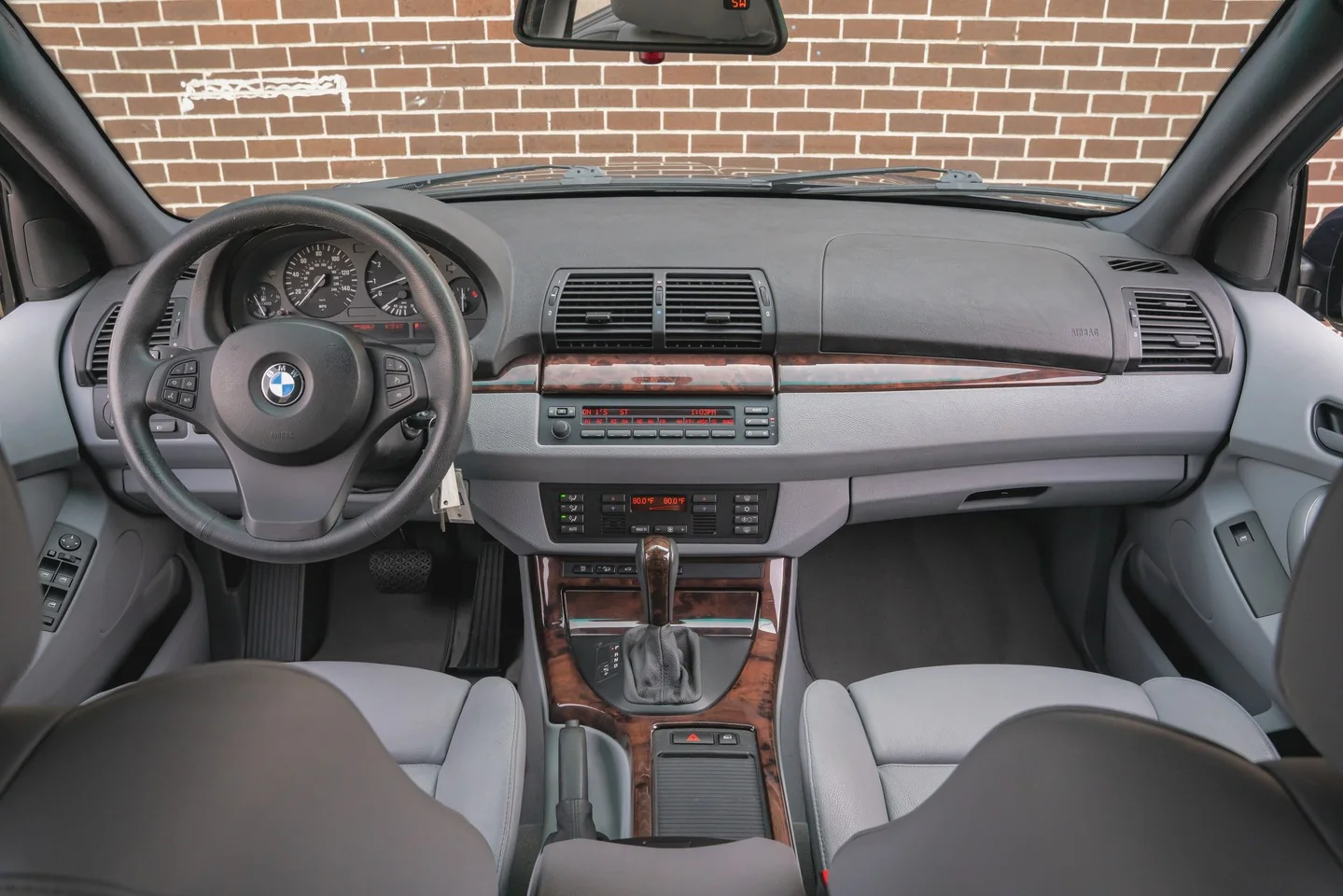
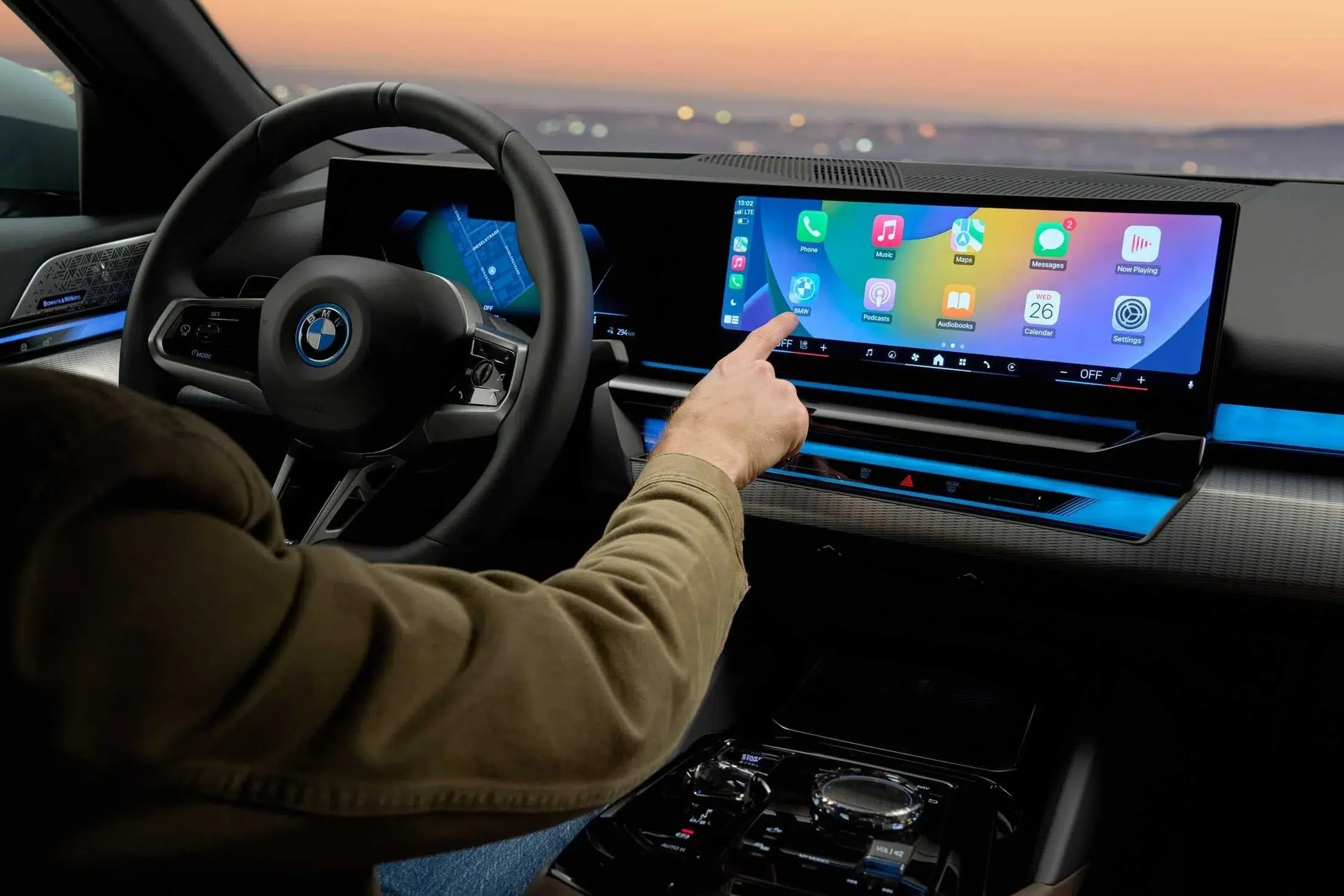
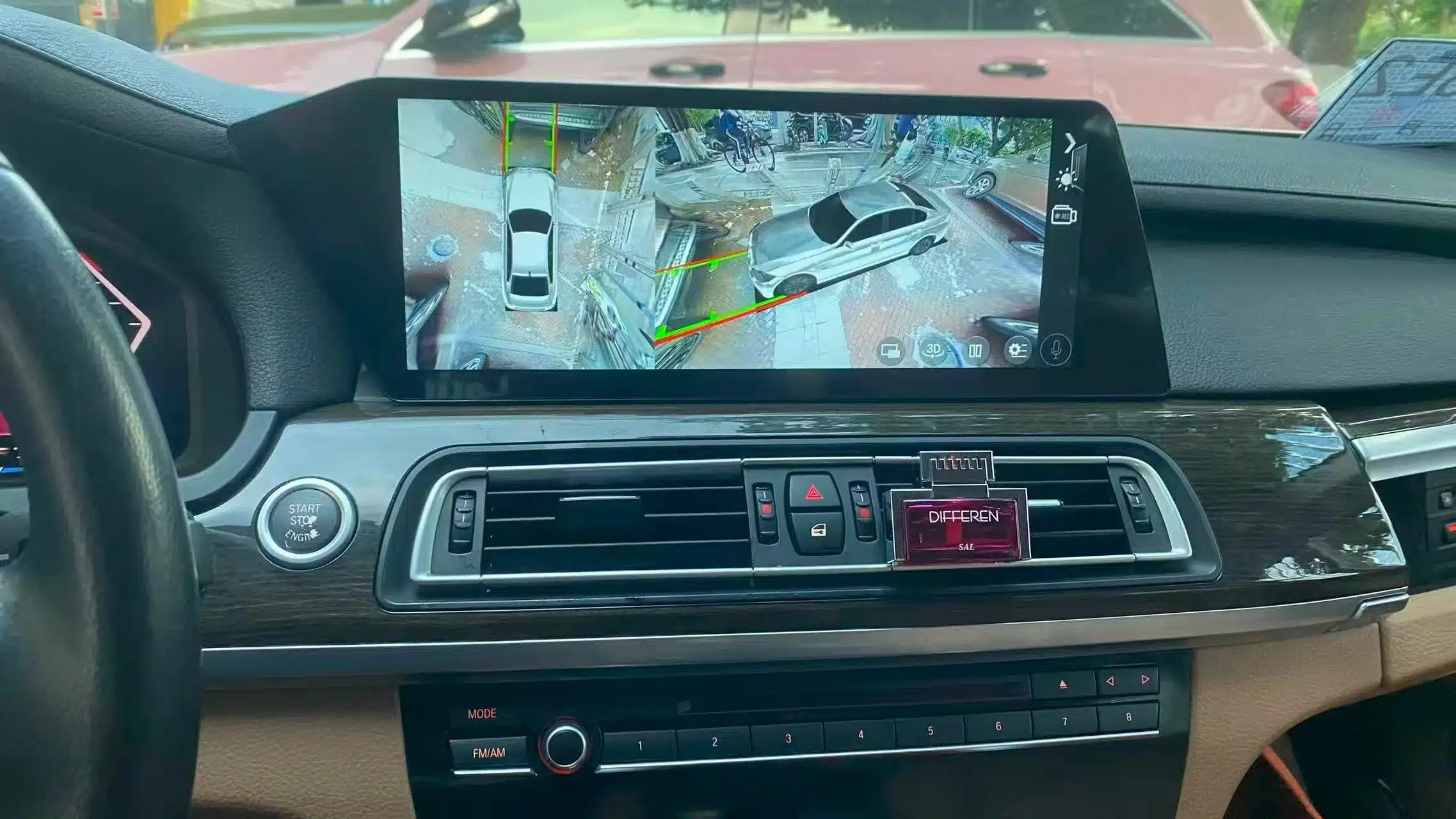
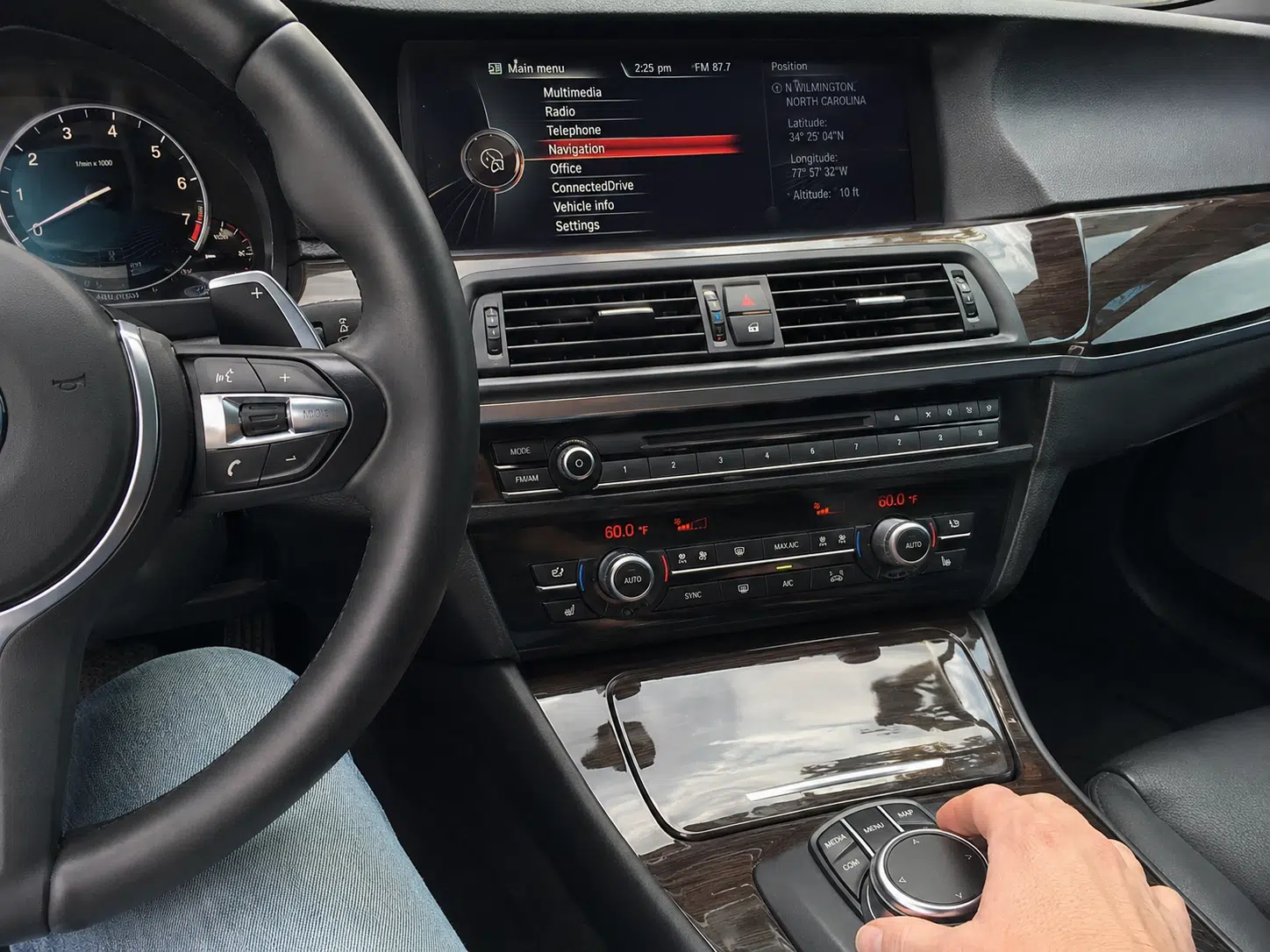
De aanschaf van een Android-autoradio is gerechtvaardigd wanneer het originele systeem in het dashboard dagelijks voor beperkingen zorgt en het nieuwe scherm handige connectiviteits-, navigatie-, camera- of mediafuncties toevoegt zonder dat dit ten koste gaat van de geluidskwaliteit, bedieningsmogelijkheden, camera’s of voertuiginstellingen. Een groter scherm of een nieuwere Android-versie alleen is niet voldoende.
CarPlay-module versus Android-autoradio
Een CarPlay-module is wellicht de betere keuze wanneer het fabrieksdisplay, het audiosysteem, de camera’s en de bedieningselementen al goed functioneren en de koper vooral op zoek is naar smartphone-integratie. Een complete Android-autoradio is eerder gerechtvaardigd wanneer de koper ook behoefte heeft aan een groter scherm, onafhankelijke Android-functies, bredere media-ondersteuning, verbeterde navigatie of een scherper camerabeeld.
De fabrieksradio repareren of vervangen?
Kies eerst voor reparatie wanneer een plaatselijke storing in het display, de knoppen, de achtergrondverlichting of de hoofdunit kan worden verholpen, zodat de eigenaar weer over alles beschikt wat hij nodig heeft. Vervang de fabrieksradio wanneer reparatie slechts een verouderde functionaliteit herstelt en de beoordeelde upgrade blijvende praktische voordelen biedt zonder onaanvaardbaar verlies van fabrieksfuncties.
Vereiste afmetingen voor Android-autoradio’s
| Afmeting | Wat er wordt beoordeeld | Vraagobject |
|---|---|---|
| 1. Tekortkoming in het oorspronkelijke systeem | Of het fabriekscentrumsysteem een daadwerkelijke, terugkerende beperking vormt. | Oorspronkelijk voertuigsysteem |
| 2. Dagelijkse vraag van eigenaren | Hoe vaak de eigenaar navigatie, telefoonverbinding, media en camera-informatie nodig heeft. | Gedrag van de eigenaar |
| 3. De huidige last van tijdelijke oplossingen | Of een telefoonhouder, Bluetooth, AUX of de huidige werkwijze al voldoende is. | Huidige oplossing |
| 4. Geverifieerde winst bij volledige upgrade | Wat zijn precies de verbeteringen van het geteste product ten opzichte van het oorspronkelijke systeem?. | De exacte iKAGOO-productroute |
| 5. Volledige upgrade versus kortere route | Of een reparatie of een CarPlay-module dezelfde behoefte zou vervullen met minder gedoe. | Alternatieve routes |
| 6. Waarde op lange termijn en geschiktheid als eigenaar | Of de eigenaar het resultaat lang genoeg zal gebruiken om de volledige upgrade zinvol te maken. | Plan voor de staat en het eigendom van het voertuig |
AHU-dimensie 1 — Oorspronkelijke systeemafwijking
| Vraag | 0 punten | 11 punten | 22 punten | 33 punten |
|---|---|---|---|---|
| In hoeverre vervult het oorspronkelijke systeem de functies waarvoor het is ontworpen? | Betrouwbaar en voldoet aan de huidige behoeften. | Werkt wel, maar ziet er verouderd uit of heeft een klein minpuntje. | Terugkerende storing of duidelijke functionele beperking. | Een belangrijke functie op het gebied van weergave, bediening, navigatie, audio of connectiviteit valt regelmatig uit. |
| Hoe vaak heeft de beperking gevolgen voor de eigenaar? | Bijna nooit. | Af en toe of minder dan eens per maand. | Wekelijks of bij herhaalde ritten. | Tijdens de meeste ritten of telkens wanneer het systeem wordt gebruikt. |
| Op welke praktische activiteit heeft de beperking betrekking? | Geen noemenswaardige dagelijkse gevolgen. | Voornamelijk het uiterlijk of kleine praktische voordelen. | Beperkt duidelijk de toegang tot navigatie, telefoongesprekken, muziek, camera’s of het voertuigmenu. | Belemmert of verstoort een essentiële dagelijkse activiteit ernstig. |
AHU-dimensie 2 — Dagelijkse verbruiksbehoefte van de eigenaar
| Vraag | 0 | 11 | 22 | 33 |
|---|---|---|---|---|
| Hoe vaak maakt de eigenaar gebruik van navigatie of realtime verkeersinformatie? | Niet vereist. | Een paar keer per jaar. | Wekelijks. | Tijdens de meeste autoritten of voor dagelijks werk en woon-werkverkeer. |
| Hoe vaak worden CarPlay, Android Auto, bellen, sms’en of streamen gebruikt? | Niet vereist. | Incidenteel gebruik. | Meerdere keren per week. | Een onmisbaar onderdeel van de meeste reizen. |
| Hoe belangrijk zijn displays voor camera-, parkeer- en voertuiginformatie? | Niet gebruikt of niet van toepassing. | Af en toe handig. | Wordt regelmatig gebruikt. | Vaak vereist in verband met parkeren, de afmetingen van het voertuig, werkzaamheden of dagelijkse omstandigheden. |
AHU-dimensie 3 — Huidige last van tijdelijke oplossingen
| Vraag | 0 | 11 | 22 | 33 |
|---|---|---|---|---|
| Biedt een telefoonhouder al een acceptabele oplossing? | Ja, het voldoet volledig aan de behoefte. | Meestal, met slechts wat ongemak. | Duidelijk hinderlijk of afleidend. | Onbetrouwbaar, onveilig in het gebruik of ongeschikt voor regelmatig gebruik. |
| Werkt de huidige Bluetooth-, AUX- of USB-verbinding naar behoren? | Volledig naar wens. | Kleine beperkingen. | Terugkerende problemen met de verbinding, de bediening of het geluid. | Onbetrouwbaar of niet geschikt voor normaal gebruik. |
| Hoe ingewikkeld is de huidige werkwijze? | Eén eenvoudige en betrouwbare route. | Nog één klein stapje. | Meerdere apparaten, kabels of herhaalde handmatige handelingen. | Het proces mislukt regelmatig, leidt de bestuurder af of ontmoedigt het gebruik ervan. |
AHU-dimensie 4 — Geverifieerde winst bij volledige upgrade
| Vraag | 0 | 11 | 22 | 33 |
|---|---|---|---|---|
| Hoeveel beproefde, dagelijks bruikbare functies biedt dit specifieke product precies? | Geen zinvolle functie. | Vooral het uiterlijk, de thema’s of de originaliteit. | Een of twee functies die regelmatig van pas komen. | Er zijn verschillende hoogfrequente functies gecontroleerd voor de onderzochte route. |
| Zorgt de upgrade ervoor dat het bij normaal gebruik minder moeite kost? | Niet eenvoudiger of ingewikkelder. | Een klein voordeel qua gebruiksgemak. | Duidelijk minder stappen of een betere toegankelijkheid. | Aanzienlijke verbeteringen op het gebied van navigatie, media, camera of bediening. |
| Hoe sterk is het bewijs voor precies deze route? | Dit is uitsluitend een algemene marketingclaim. | Algemene productbeschrijving. | Relevante voertuig- of systeemdocumentatie. | Testen van de exacte route, bewijs van daadwerkelijke installatie of gedocumenteerde functiecontrole. |
AHU-dimensie 5 — Volledige vervanging versus reparatie of een kleinere uitbreiding
| Vraag | 0 | 11 | 22 | 33 |
|---|---|---|---|---|
| Zou het herstellen van het oorspronkelijke systeem het probleem volledig oplossen? | Ja, tegen lagere kosten en met minder integratierisico. | Een reparatie lost de meeste problemen op. | De reparatie herstelt de werking, maar de belangrijkste beperkingen van het oude systeem blijven bestaan. | Reparatie is onpraktisch, niet rendabel of kan niet de vereiste functies bieden. |
| Zou een CarPlay- of Android Auto-module volledig aan deze behoefte voldoen? | Ja, helemaal. | Het biedt een oplossing voor de meeste behoeften. | Het vertoont duidelijke beperkingen op het gebied van het scherm, Android, de camera of de gebruiksvriendelijkheid. | Alleen de volledige upgrade levert het gewenste resultaat op. |
| Hoe groot is het voordeel van een volledige upgrade na een vergelijking? | De lasten en risico’s wegen zwaarder dan de voordelen. | Maar een klein beetje beter. | Duidelijk praktisch voordeel. | De beste, beproefde route om aan alle eisen te voldoen. |
AHU-dimensie 6 — Waarde op lange termijn en geschiktheid voor eigendom
| Vraag | 0 | 11 | 22 | 33 |
|---|---|---|---|---|
| Hoe lang denkt de eigenaar het voertuig te houden? | Het voertuig zal waarschijnlijk binnenkort worden verkocht. | Kortstondig of onzeker eigendom. | Waarschijnlijk nog enkele jaren bewaard blijven. | Langdurig bezit bij regelmatig gebruik. |
| Is het voertuig verder geschikt voor een elektronische upgrade? | Ernstige mechanische, elektrische of veiligheidsgebreken krijgen voorrang. | Er moeten nog een aantal reparaties met hogere prioriteit worden uitgevoerd. | Over het algemeen in goede staat en met beperkt onderhoud. | In goede staat en de upgrade past binnen het eigendomsplan. |
| Zal de eigenaar langdurig plezier hebben van het eindresultaat? | Weinig of geen blijvende waarde. | Voornamelijk cosmetische waarde of af en toe van nut. | Blijvende praktische waarde gedurende de hele gebruiksduur. | Er wordt een hoog rendement verwacht gedurende de gehele periode van langdurig bezit. |
Zelfevaluatie voor het upgraden van een Android-autoradio
Beantwoord de meerkeuzevragen. Je hoeft geen score te verzinnen. De calculator wijst op basis van je antwoorden de interne waarden 0, 11, 22 of 33 toe en past productspecifieke beoordelingscriteria toe voordat het resultaat wordt weergegeven.
Er is standaard geen antwoord geselecteerd. Er verschijnt pas een resultaat nadat alle verplichte vragen zijn beantwoord.
Norm 2 van 3
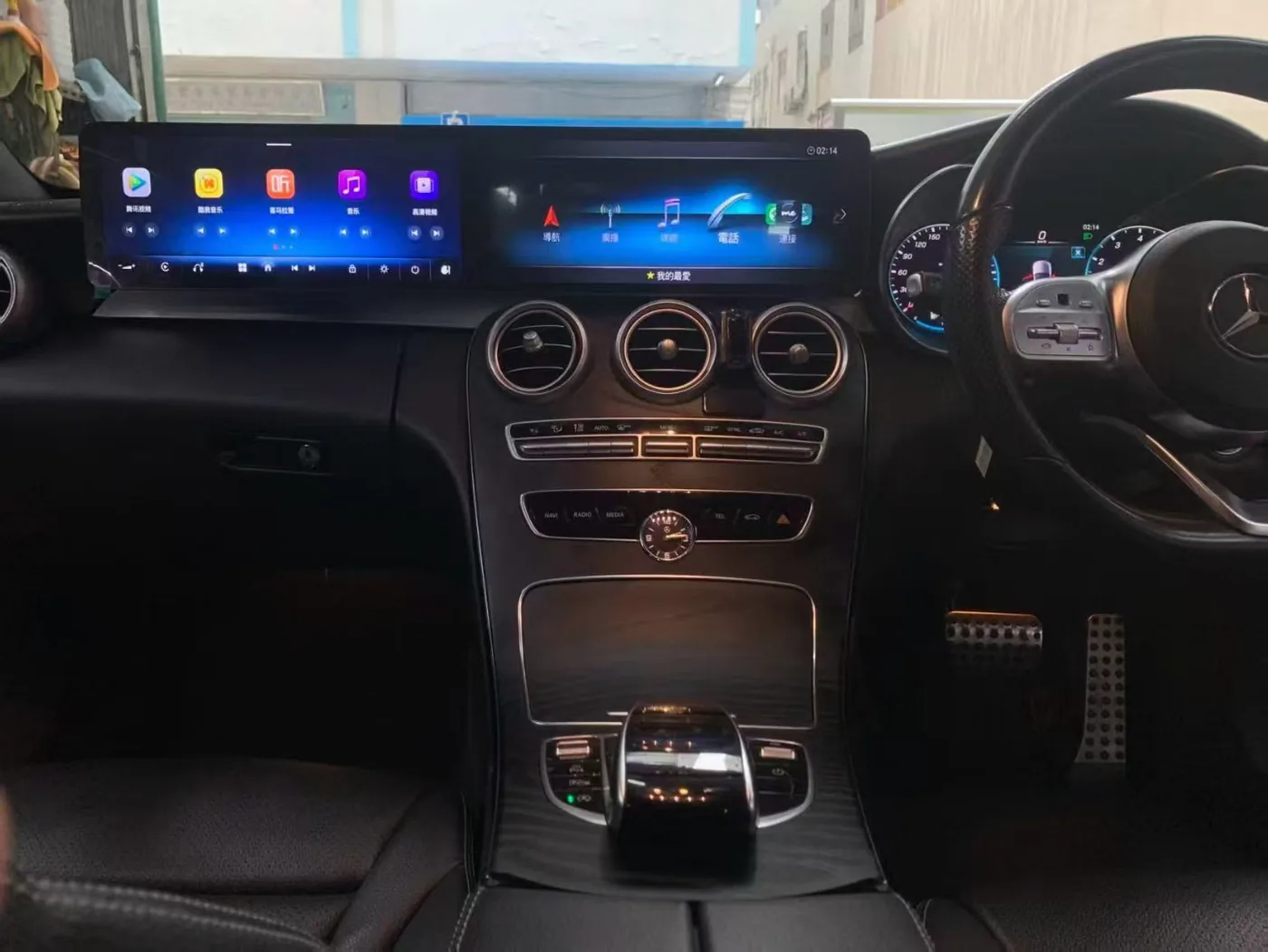
Is een upgrade naar een geïntegreerde cockpit met twee schermen de moeite waard?
Een geïntegreerde cockpitupgrade moet wijzigingen aan twee onderling verbonden onderdelen rechtvaardigen: het bestuurdersdisplay en het display in het midden van het dashboard. De upgrade mag geen hoge score krijgen louter omdat de twee schermen er modern uitzien. De score hangt af van de vraag of beide schermen nuttige functies toevoegen, goed op elkaar zijn afgestemd en de vereiste oorspronkelijke bedieningselementen en voertuiginformatie behouden.
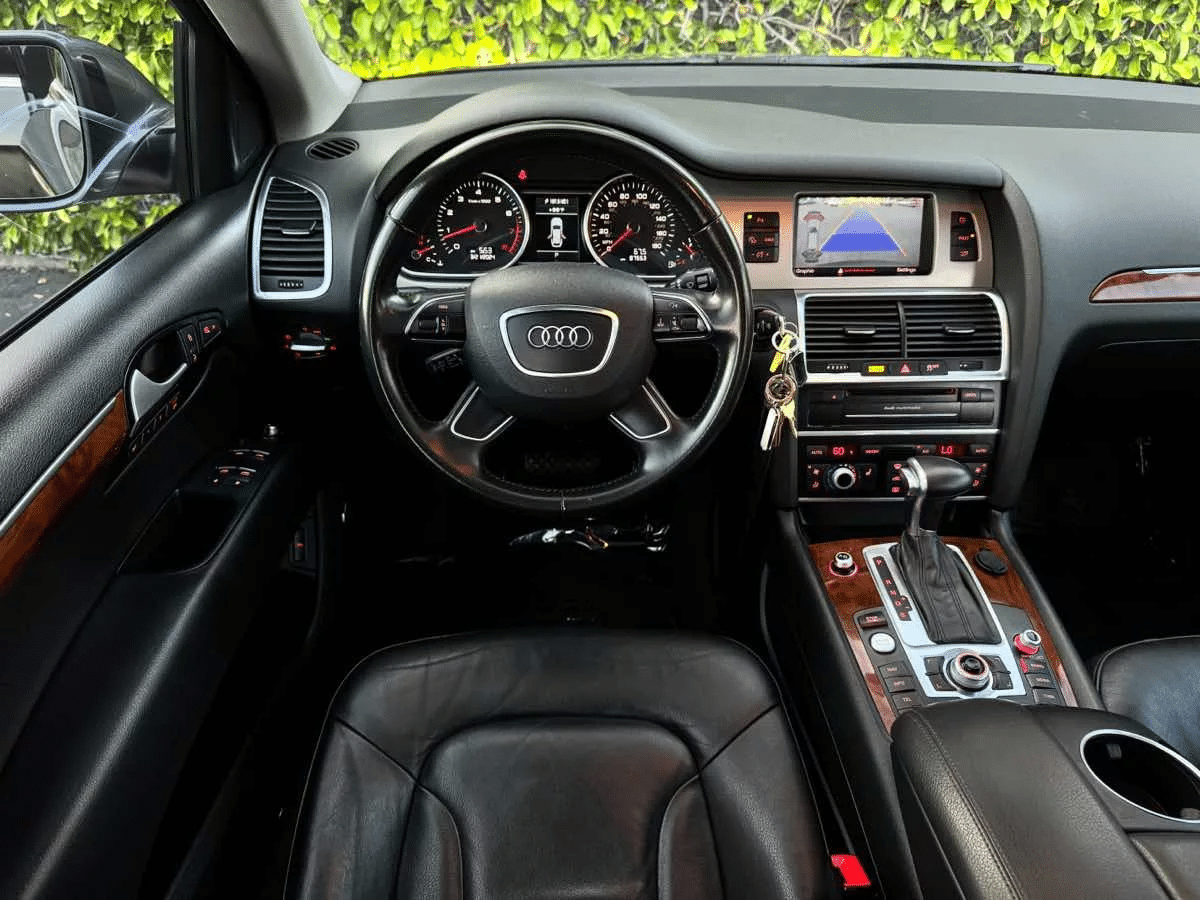
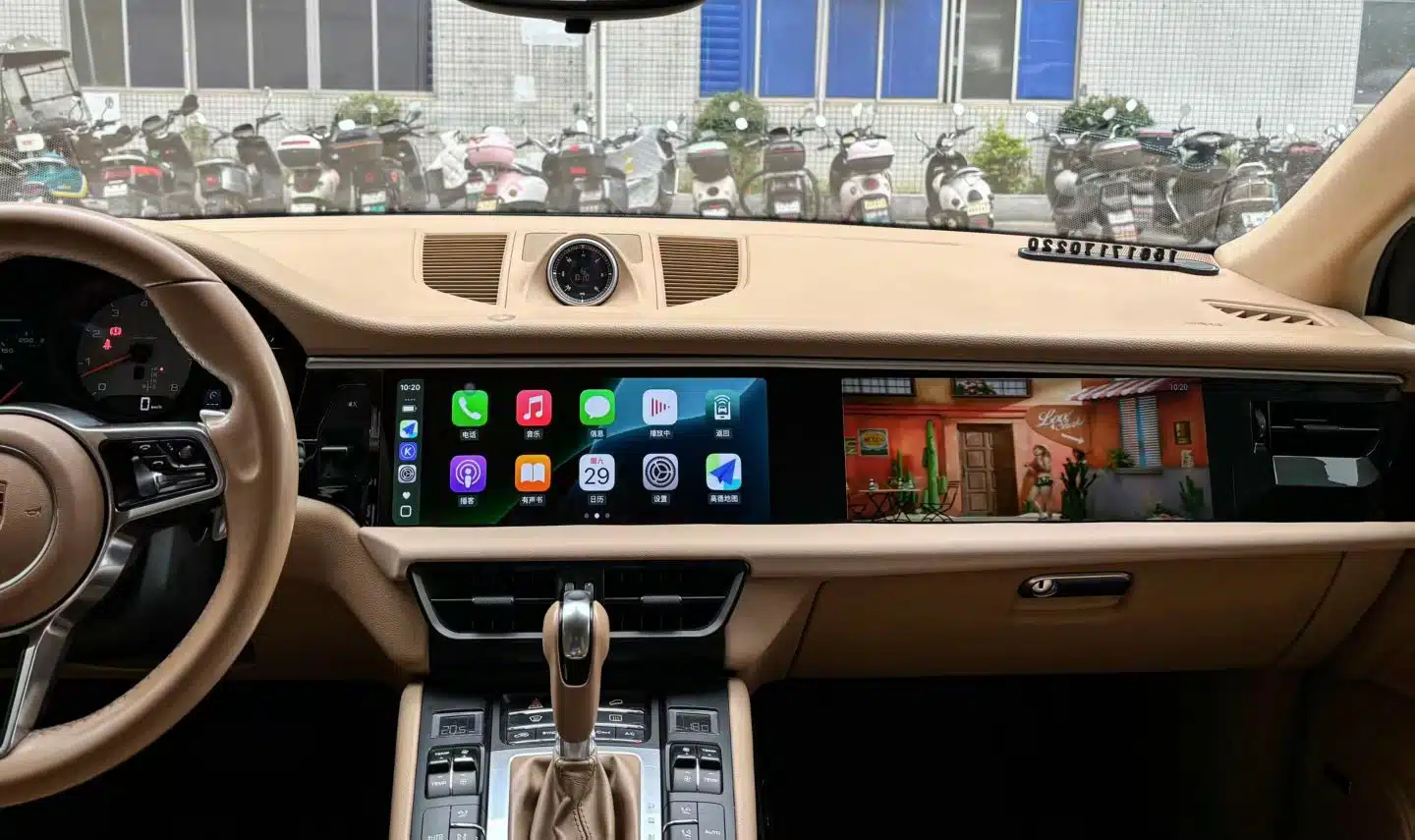
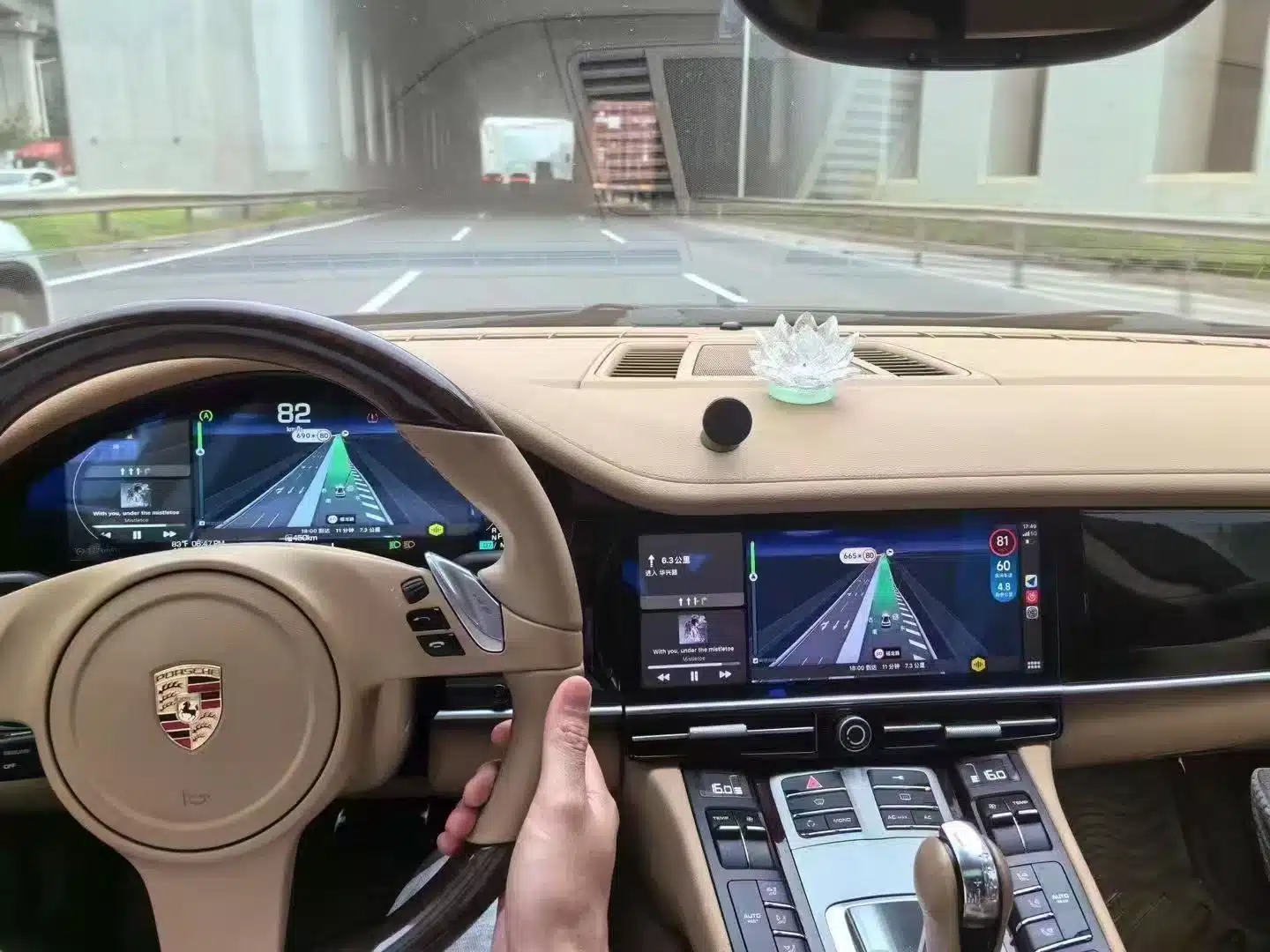
Upgrade naar twee schermen versus upgrade naar alleen een scherm in het midden
Een upgrade waarbij alleen het middelste scherm wordt vervangen, is meestal de beste keuze als het oorspronkelijke instrumentenpaneel overzichtelijk, compleet en betrouwbaar is. Een upgrade naar een geïntegreerde cockpit met twee schermen is alleen zinvoller als beide weergavezones aanzienlijke beperkingen hebben en het systeem met twee schermen aantoonbare functionele voordelen biedt, in plaats van alleen maar een fraai uiterlijk.
Is een upgrade naar een dashboard met twee schermen de extra kosten waard?
De extra kosten zijn alleen gerechtvaardigd als zowel het instrumentenpaneel als het centrale display voorzien in terugkerende behoeften van kopers, de benodigde voertuiginformatie weergeven en als één geverifieerd productpakket kunnen worden geïnstalleerd. Twee schermen krijgen geen hogere score louter omdat het dashboard er nieuwer uitziet.
Vereiste afmetingen van de geïntegreerde cockpit
| Afmeting | Wat er wordt beslist | Vraag van een zeer geïnteresseerde koper |
|---|---|---|
| Beperking tot twee zones | Of zowel het clustersysteem als het centrale systeem daadwerkelijk beperkingen hebben. | Is een upgrade naar een geïntegreerde cockpit met twee schermen de moeite waard? |
| Gecoördineerde behoefte | Of de koper behoefte heeft aan handige functies op beide schermen. | Moet ik beide schermen upgraden? |
| Waarde in het midden van het scherm | Of de navigatie, media, camera en connectiviteit worden verbeterd. | Zou een upgrade van het scherm in het midden voldoende zijn? |
| Cluster-schermwaarde | Of de informatie voor de bestuurder bruikbaarder en beter leesbaar wordt. | Wat voegt het tweede scherm nu eigenlijk toe? |
| Controlebehoud | Of de bedieningsknoppen, de camera, het geluid en de instellingen nog werken. | Werken de originele bedieningselementen nog steeds? |
| Geïntegreerd voordeel | Of één gecombineerd project beter is dan afzonderlijke upgrades. | Upgrade naar twee schermen of één scherm in het midden? |
| Kosten en gereedheid | Of de kosten voor de upgrade van de geïntegreerde cockpit in verhouding staan tot de opbrengst. | Wat zijn de totale kosten voor het achteraf inbouwen van twee schermen? |
| Betrouwbaarheid en pasvorm | Of zowel de beeldschermen als de fysieke integratie op de lange termijn geschikt zijn. | Blijft de retrofit met twee schermen betrouwbaar? |
ICO-dimensie 1 — Oorspronkelijke beperking tot twee zones
| Artikel | 0 | 11 | 22 | 33 |
|---|---|---|---|---|
| Beperking van de oorspronkelijke cluster | Duidelijk en volkomen toereikend. | Het ziet er vooral verouderd uit. | Beperkte bruikbare informatie of leesbaarheid. | Ernstige storing in de informatieweergave of terugkerende beperking. |
| Beperking van het oorspronkelijke centrale systeem | Voldoet aan de dagelijkse behoeften. | Een klein ongemak. | Duidelijke beperking op het gebied van navigatie/connectiviteit. | Een belangrijke terugkerende beperking van het centrale systeem. |
| Probleem met de gecombineerde workflow | De twee zones werken al goed samen. | Het is vooral een kwestie van persoonlijke smaak. | De informatie is versnipperd of inefficiënt. | Beide zones beperken het dagelijks gebruik aanzienlijk. |
ICO-dimensie 2 — Behoefte aan gecoördineerde functies voor twee schermen
| Artikel | 0 | 11 | 22 | 33 |
|---|---|---|---|---|
| Gebruik van het bestuurdersdisplay | Er zijn geen aanvullende gegevens nodig. | Alleen themavoorkeur. | Nuttige terugkerende informatie over voertuigen. | Er is dagelijks een grote behoefte aan uitgebreidere bestuurdersgegevens. |
| Gebruik van het centrale display | Het oorspronkelijke centrale systeem volstaat. | Af en toe een beetje gemak. | Veelvuldig gebruik van navigatie, media en connectiviteit. | Functies in het midden van het scherm die bij de meeste schijven worden gebruikt. |
| Coördinatie tussen verschillende schermen | Er is geen gecoördineerde functie vereist. | Alleen visuele vergelijking. | Enkele nuttige gecoördineerde handelingen. | Geverifieerde, onderling afgestemde informatie leidt tot een aanzienlijke verbetering van het gebruik. |
ICO-dimensie 3 — Praktische waarde in het midden van het scherm
| Artikel | 0 | 11 | 22 | 33 |
|---|---|---|---|---|
| Verbetering van de connectiviteit | Geen zinvol resultaat. | Af en toe een beetje gemak. | Wekelijkse winst. | Geverifieerde versterking bij hoge frequenties. |
| Navigatie/media-versterking | De oorspronkelijke route volstaat. | Kleine aanpassing aan de interface. | Een duidelijke verbetering van de gebruiksvriendelijkheid. | Een belangrijke terugkerende verbetering. |
| Versterking camera/voertuigmenu | Geen verbetering. | Een klein visueel voordeel. | Duidelijk functioneel voordeel. | Aantoonbare verbetering met een hoge meerwaarde. |
ICO-dimensie 4 — Praktische waarde van het clusterscherm
| Artikel | 0 | 11 | 22 | 33 |
|---|---|---|---|---|
| Dichtheid van rijgegevens | Er zijn geen nuttige gegevens toegevoegd. | Alleen wijziging van het thema. | Handige aanvullende informatie. | Meerdere geverifieerde gegevensvelden van grote waarde. |
| Leesbaarheid en lay-out | Slechter of ongewijzigd. | Een kleine verbetering in de voorkeur. | Duidelijke dagelijkse vooruitgang. | Aanzienlijk bewezen voordeel op het gebied van leesbaarheid. |
| Waarschuwingen en volledigheid van de status | Essentiële informatie is niet beschikbaar. | Niet geverifieerd. | Gedocumenteerde, onderbouwde informatie. | Voertuigspecifieke controle. |
ICO-dimensie 5 — Fabriekscontrole en systeemoverschrijdende bewaring
| Artikel | 0 | 11 | 22 | 33 |
|---|---|---|---|---|
| Bediening op het stuur | De vereiste bedieningselementen zijn kwijtgeraakt. | Alleen algemene claim. | Ondersteuning op systeemniveau is bekend. | De exacte route van het voertuig is geverifieerd. |
| Originele controller en automatische triggers | Het vereiste pad is niet beschikbaar. | Onvolledig of onduidelijk. | De bruikbare route is vastgelegd. | Direct geverifieerd antwoord. |
| Camera-, audio- en voertuiginstellingen | Kritieke functie uitgevallen. | Niet geverifieerd. | Ondersteund met bekende route. | Bevestigd dat de bevestiging voertuigspecifiek is. |
ICO-dimensie 6 — Voordeel ten opzichte van afzonderlijke upgrades van één scherm
| Artikel | 0 | 11 | 22 | 33 |
|---|---|---|---|---|
| Alternatief met alleen het midden | Alleen het midden voldoet volledig aan de behoefte. | Alleen het midden voldoet aan de meeste behoeften. | Dit leidt tot een aanzienlijke beperking van de clusters. | Er kan niet aan de gecombineerde eis worden voldaan. |
| Alternatief dat alleen voor clusters geldt | Alleen Cluster biedt de volledige oplossing. | Cluster-only voldoet aan de meeste behoeften. | Dit leidt tot een aanzienlijke beperking van het centrale systeem. | Er kan niet aan de gecombineerde eis worden voldaan. |
| Netto geïntegreerd voordeel | De nadelen wegen zwaarder dan de voordelen. | Een klein voordeel. | Duidelijk gecombineerd voordeel. | De beste, geverifieerde route voor beide zones. |
ICO-dimensie 7 — Totale kosten en gereedheid voor implementatie
| Artikel | 0 | 11 | 22 | 33 |
|---|---|---|---|---|
| Totale projectkosten | Duidelijk onevenredig. | Hoog in verhouding tot het voordeel. | Geschikt voor verbetering in twee zones. | Een uitstekende prijs-kwaliteitverhouding in verhouding tot de vastgestelde behoefte. |
| Installatiemogelijkheden | Er is geen geschikte installateur. | Onzeker of dit mogelijk is. | Er is een geschikte installateur beschikbaar. | De route met twee schermen en de tests zijn bevestigd. |
| Onderdelen, opbouw en herstel | Kritiek pad onbekend. | Gedeeltelijke voorbereiding. | De belangrijkste onderdelen en de opbouw zijn bekend. | Route voltooid, klaar voor testen en herstel. |
ICO-dimensie 8 — Betrouwbaarheid, integratie en aansluiting bij de eigenaar
| Artikel | 0 | 11 | 22 | 33 |
|---|---|---|---|---|
| Betrouwbaarheid bij gebruik van twee schermen | Geen geloofwaardig bewijs. | Alleen specificatie. | Relevant bewijsmateriaal. | Beide schermen zijn getest onder dagelijkse gebruiksomstandigheden. |
| Fysieke en visuele integratie | Slechte pasvorm of verkeerd gekozen voertuig. | Het is vooral een kwestie van persoonlijke smaak. | Een strakke, modelspecifieke integratie. | Perfecte pasvorm in de cockpit. |
| Geschiktheid van het eigendom | Een korte eigendomsduur of gebreken met een hogere prioriteit. | Alleen op basis van voorkeur. | De auto verkeert in goede staat en is al enige tijd in bezit. | Langdurig bezit waarbij beide systemen regelmatig worden gebruikt. |
Zelfevaluatie voor de upgrade van de geïntegreerde cockpit
Beantwoord de meerkeuzevragen. Je hoeft geen score te verzinnen. De calculator wijst op basis van je antwoorden de interne waarden 0, 11, 22 of 33 toe en past productspecifieke beoordelingscriteria toe voordat het resultaat wordt weergegeven.
Er is standaard geen antwoord geselecteerd. Er verschijnt pas een resultaat nadat alle verplichte vragen zijn beantwoord.
Norm 3 van 3
Is het de moeite waard om een digitaal instrumentenpaneel achteraf te laten inbouwen?
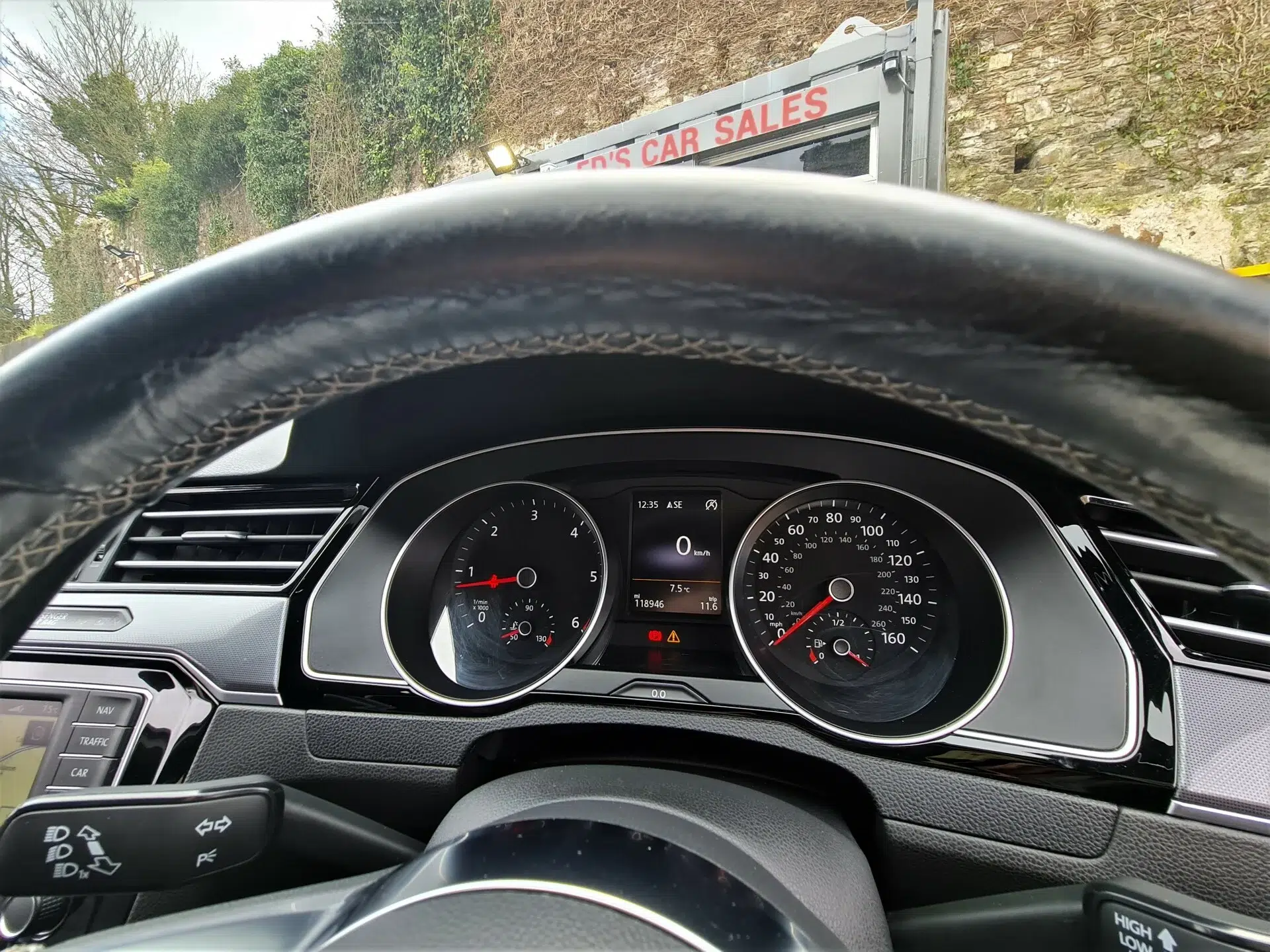
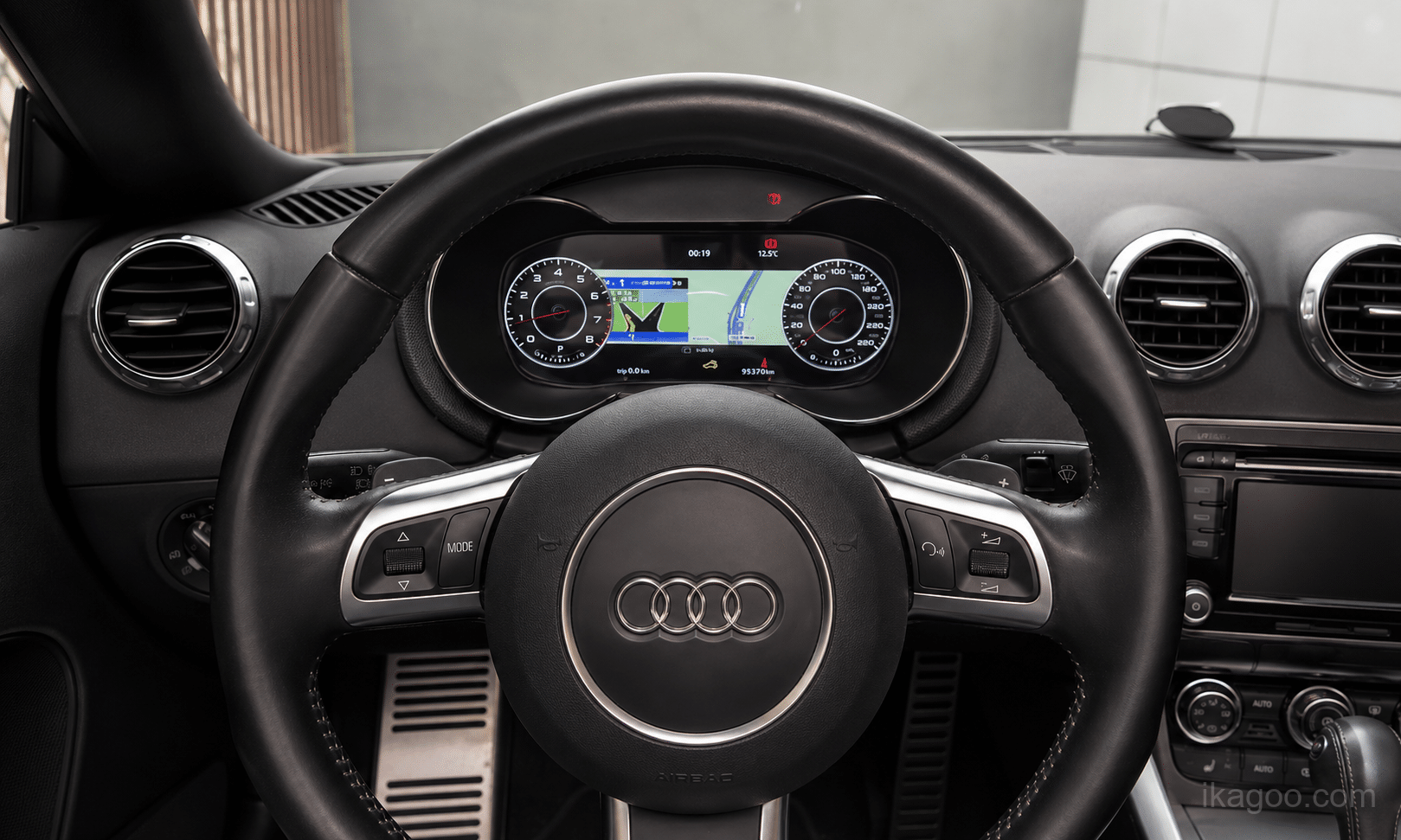
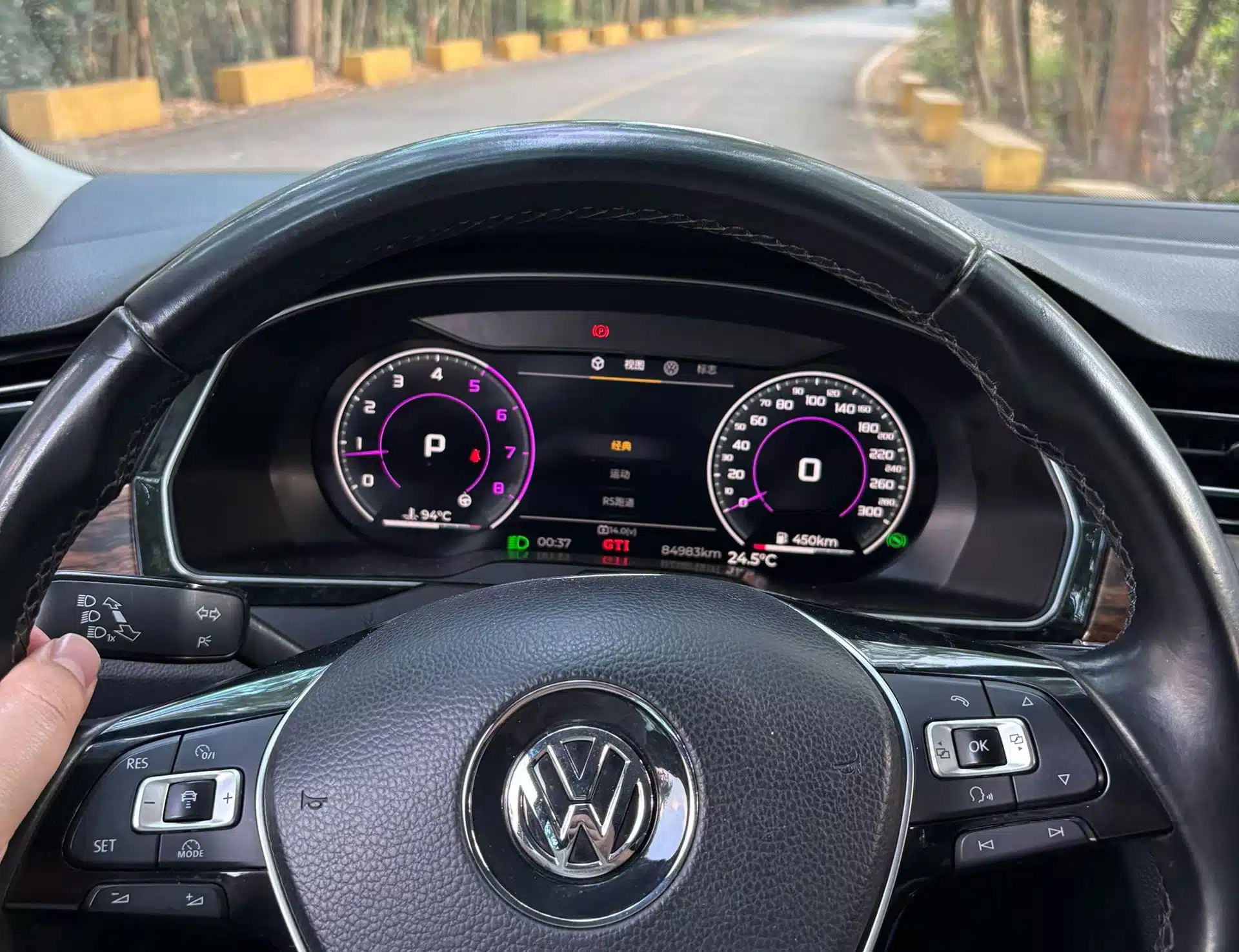
Het achteraf inbouwen van een digitaal instrumentenpaneel is zinvol wanneer dit de bestuurder betere toegang biedt tot nauwkeurige, goed leesbare en veelgebruikte voertuiginformatie. Het aanpassen van het thema alleen is optioneel. Om een hoge score te behalen, moet het paneel duidelijk informatie weergeven over snelheid, toerental, brandstof, temperatuur, versnelling, kilometerstand, waarschuwingen en andere relevante gegevens.
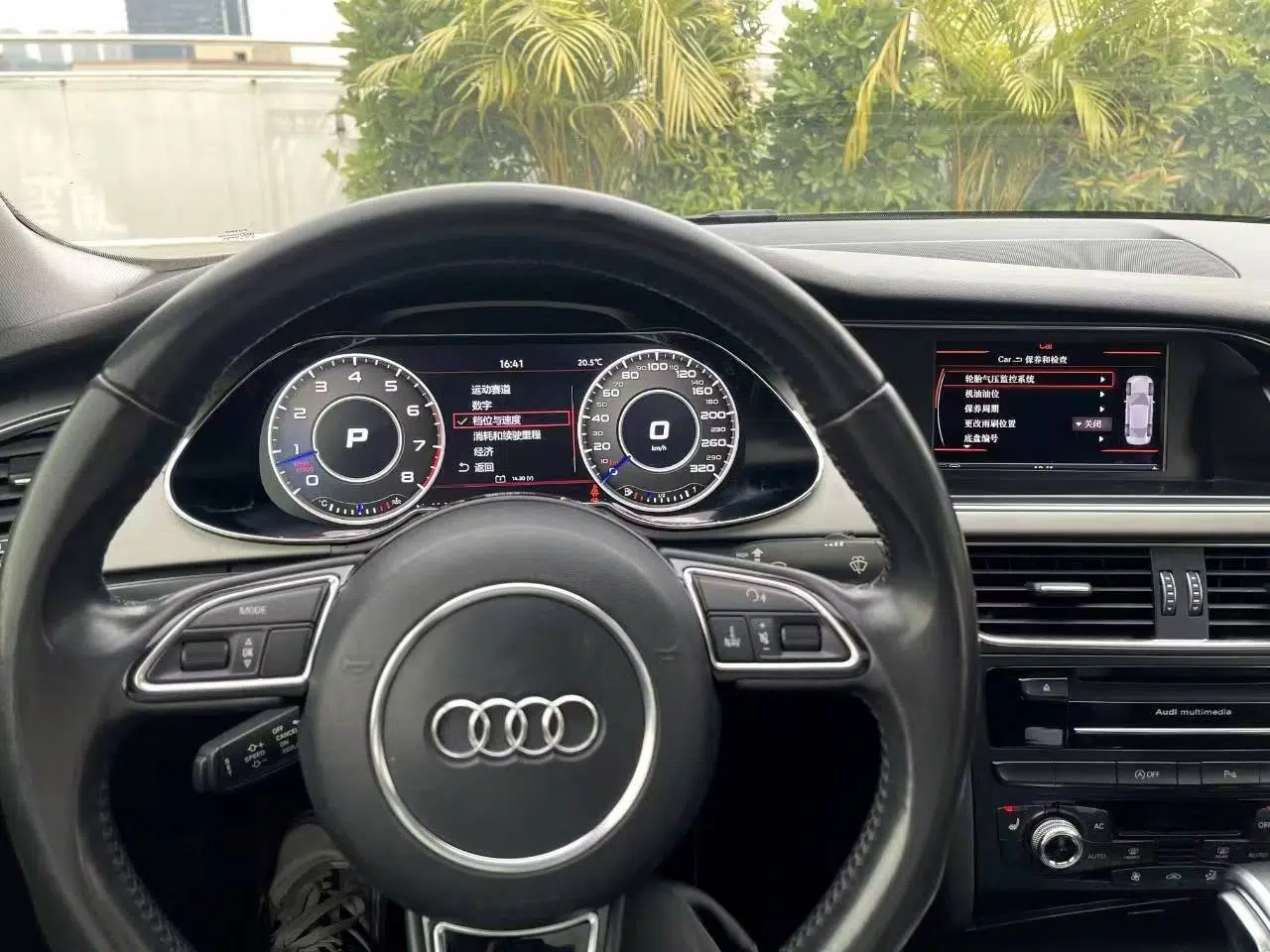
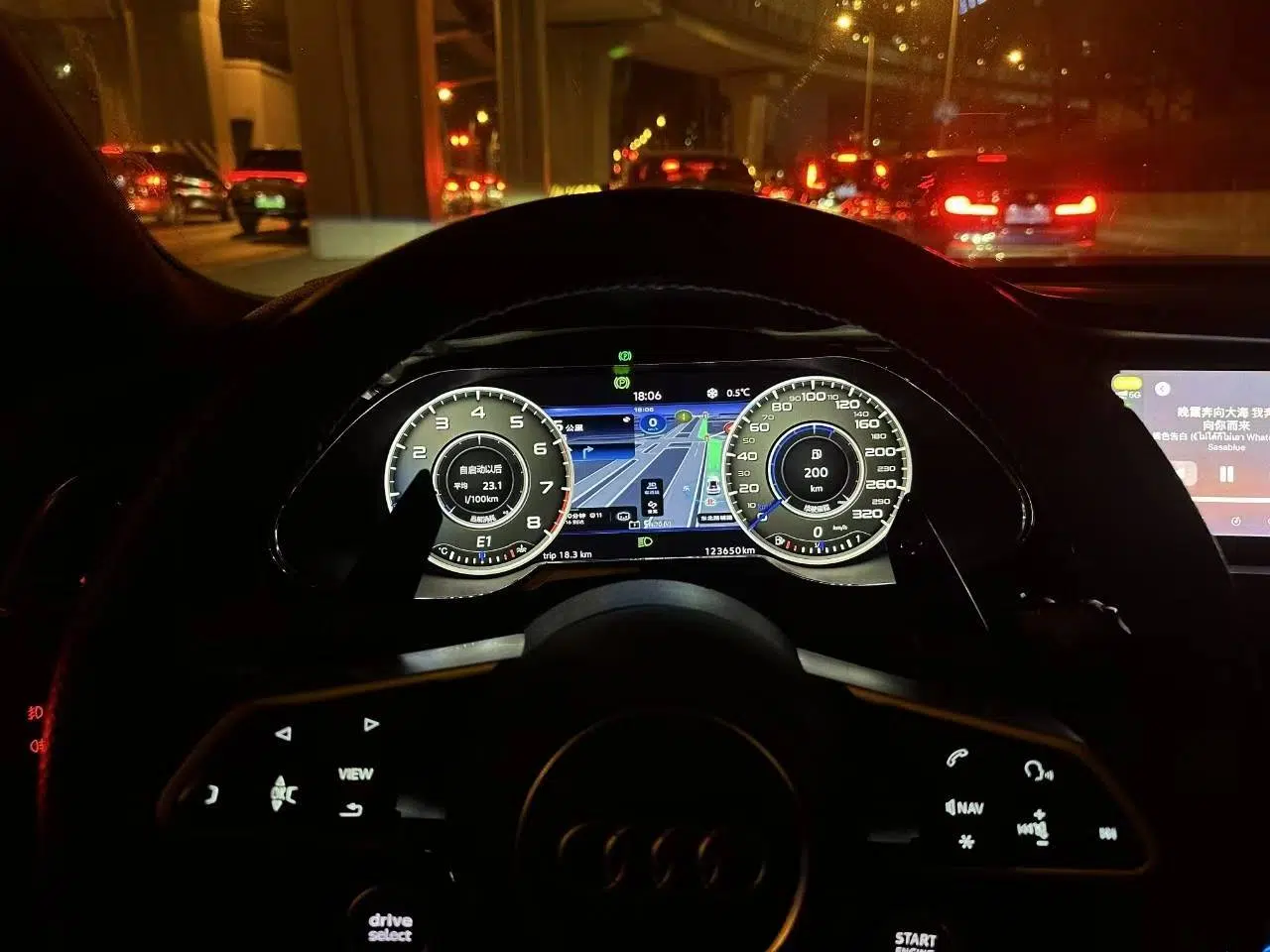
Digitaal dashboard versus analoog dashboard
Geen van beide formaten is per definitie beter. Een analoog instrumentenpaneel kan voor sommige eigenaren overzichtelijker en aantrekkelijker zijn. Het achteraf inbouwen van een digitaal instrumentenpaneel is vooral zinvol wanneer dit beproefde, goed leesbare en veelgebruikte informatie toevoegt, of wanneer het een defect geraakt origineel display vervangt zonder dat daarbij essentiële waarschuwingen en voertuiggegevens verloren gaan.
Het instrumentenpaneel repareren of vervangen?
Repareer het originele instrumentenpaneel wanneer een plaatselijke storing kan worden verholpen en de eigenaar waarde hecht aan de originele fabrieksuitvoering. Vervang het wanneer reparatie niet rendabel is, de originele informatie beperkt blijft en de vernieuwde digitale versie is getest op gegevensnauwkeurigheid, leesbaarheid en ondersteuning.
Afmetingen van het digitale instrumentenpaneel
| Afmeting | Wat er wordt beslist | Vraag van een zeer geïnteresseerde koper |
|---|---|---|
| Oorspronkelijke beperking | Of het oorspronkelijke cluster een wezenlijk weergave- of informatieprobleem vertoont. | Moet ik mijn instrumentenpaneel vervangen? |
| Cruciale gegevens | Of snelheid, toerental, brandstofverbruik, temperatuur, versnelling, kilometerstand en waarschuwingen correct blijven. | Blijven de kilometerstand en waarschuwingen op een digitaal instrumentenpaneel bewaard? |
| Dagelijkse informatiewaarde | Of er daadwerkelijk gebruik wordt gemaakt van uitgebreidere voertuiginformatie. | Is het de moeite waard om een digitaal instrumentenpaneel achteraf te laten inbouwen? |
| Leesbaarheid | Of het scherm zowel bij daglicht als ’s nachts goed leesbaar is. | Is een digitaal dashboard goed afleesbaar in zonlicht? |
| Reparatie en analoge vergelijking | Wat verstandiger is: repareren of het analoge instrumentenpaneel behouden. | Digitaal dashboard of analoog dashboard? |
| Compatibiliteit en retentie | Of de gecontroleerde route overeenkomt met het voertuig en de vereiste gegevens bevat. | Past het digitale instrumentenpaneel in mijn auto? |
| Kosten en gereedheid | Of de kosten voor het achteraf inbouwen van het digitale instrumentenpaneel in overeenstemming zijn met de vastgestelde waarde. | Wat kost het om een digitaal instrumentenpaneel te laten ombouwen? |
| Betrouwbaarheid en eigendom | Of het cluster stabiel, ondersteund en geschikt is voor de lange termijn. | Is een digitaal instrumentenpaneel op de lange termijn betrouwbaar? |
DIC-dimensie 1 — Beperking van bestaande clusters
| Artikel | 0 | 11 | 22 | 33 |
|---|---|---|---|---|
| Oorspronkelijke staat van de cluster | Betrouwbaar en duidelijk. | Het ziet er alleen wat gedateerd uit. | Terugkerende weergave of beperking van informatie. | Ernstige fout of ernstig probleem met de leesbaarheid. |
| Beperkte informatie | Alle benodigde gegevens zijn al beschikbaar. | Een kleine voorkeur. | Er is maar weinig nuttige informatie beschikbaar. | Belangrijke terugkerende informatie is niet beschikbaar of moeilijk leesbaar. |
| Frequentie van de impact | Geen praktische gevolgen. | Af en toe. | Wekelijks. | Dit geldt voor de meeste schijven. |
DIC-dimensie 2 — Volledigheid van kritieke gegevens
| Artikel | 0 | 11 | 22 | 33 |
|---|---|---|---|---|
| Snelheid, toerental, versnelling en temperatuur | Bekend als onjuist of niet beschikbaar. | Alleen algemene claim. | Ondersteuning op systeemniveau gedocumenteerd. | Voertuigspecifieke controle. |
| Brandstof, actieradius, kilometerstand en ritgegevens | Bekend als onjuist of niet beschikbaar. | Niet geverifieerd. | De ondersteunde route is gedocumenteerd. | Gecontroleerd op de exacte route. |
| Waarschuwingen, TPMS en relevante ADAS-meldingen | Er is een ernstig verlies bekend. | Niet geverifieerd. | De relevante informatie is vastgelegd. | Geverifieerd als volledig voor de voertuigconfiguratie. |
DIC-dimensie 3 — Dagelijkse informatie voor de bestuurder
| Artikel | 0 | 11 | 22 | 33 |
|---|---|---|---|---|
| Gebruiksfrequentie | Extra informatie die niet wordt gebruikt. | Af en toe interesse. | Wekelijkse handige gids. | Wordt op de meeste schijven gebruikt. |
| Informatieconcentratie | Geen verbetering. | Een kleine verbetering in de voorkeur. | Een duidelijke verbetering van de toegankelijkheid. | Aanzienlijke vermindering van versnipperde of moeilijk te lezen informatie. |
| Navigatie of aanvullende informatie | Niet nodig of niet ondersteund. | Alleen als thema/noviteit. | Nuttige ondersteunende informatie. | Veel gebruikt en getoetst aan de route van het voertuig. |
DIC-dimensie 4 — Leesbaarheid overdag, ’s nachts en in één oogopslag
| Artikel | 0 | 11 | 22 | 33 |
|---|---|---|---|---|
| Leesbaarheid bij daglicht | Slechter of onleesbaar. | Niet geverifieerd. | Duidelijk leesbaar bij relevant daglicht. | Uitstekende leesbaarheid met een aanvaardbare schittering. |
| Leesbaarheid 's nachts | Te fel of onduidelijk. | Niet geverifieerd. | Goed leesbaar bij weinig licht. | De helderheid, het contrast en de geschiktheid van de lay-out zijn gecontroleerd. |
| Efficiëntie in één oogopslag | Er is meer inspanning nodig. | Alleen op basis van uiterlijk. | Belangrijke gegevens zijn gemakkelijker terug te vinden. | Een duidelijke, aantoonbare verbetering in het stellen van prioriteiten bij informatieverwerking. |
DIC-dimensie 5 — Voordelen op het gebied van reparatie, behoud van analoge systemen en modernisering
| Artikel | 0 | 11 | 22 | 33 |
|---|---|---|---|---|
| Vergelijking van reparaties | Repair biedt een volledige oplossing tegen lagere kosten. | Een reparatie lost de meeste problemen op. | De reparatie herstelt alleen de oude functionaliteit. | Reparatie is onpraktisch of niet rendabel. |
| Voorkeur voor analoge instrumenten | De koper geeft duidelijk de voorkeur aan een origineel analoog display. | Geen duidelijke voorkeur. | Een digitale lay-out is handig. | Digitale informatie is een belangrijke functionele vereiste. |
| Netto voordeel van de renovatie | De nadelen wegen zwaarder dan de voordelen. | Vooral het uiterlijk. | Duidelijke praktische waarde. | Vergelijking van de beste route na reparatie en behoud. |
DIC-dimensie 6 — Compatibiliteit met voertuigen en behoud van originele gegevens
| Artikel | 0 | 11 | 22 | 33 |
|---|---|---|---|---|
| Controle van het voertuig en het originele instrumentenpaneel | Configuratie onbekend. | Alleen merk/model/bouwjaar. | De originele foto’s van de cluster en het voertuig zijn bekeken. | De exacte route van het voertuig is bevestigd. |
| Behoud van gegevens en waarschuwingen | Er is een ernstig verlies bekend. | Alleen algemene claim. | Ondersteuning op systeemniveau is bekend. | Voertuigspecifieke controle. |
| Route voor bediening en instellingen | De vereiste bedieningselementen zijn niet beschikbaar. | Onduidelijk. | De bruikbare route is vastgelegd. | De exacte route is gecontroleerd. |
DIC-dimensie 7 — Kosten en gereedheid voor installatie
| Artikel | 0 | 11 | 22 | 33 |
|---|---|---|---|---|
| Totale installatiekosten | Niet in verhouding tot de waarde. | Hoog in verhouding tot de behoefte. | Over het algemeen redelijk. | Een uitstekende prijs-kwaliteitverhouding in verhouding tot de vastgestelde behoefte. |
| Klaar voor installatie | Er is geen geschikte installatieprogramma of procedure beschikbaar. | Onzeker of dit mogelijk is. | De benodigde installatieprogramma’s en instructies zijn beschikbaar. | Onderdelen, installatie en controles gecontroleerd. |
| Productspecifieke installatievereisten | Het vereiste proces is onbekend. | Ik begrijp het gedeeltelijk. | De productpagina bepaalt de route. | De exacte route is bevestigd en er zijn geen onopgeloste afhankelijkheden in de configuratie. |
DIC-dimensie 8 — Betrouwbaarheid en aansluiting bij de eigenaar
| Artikel | 0 | 11 | 22 | 33 |
|---|---|---|---|---|
| Opstarten en stabiliteit van het beeldscherm | Geen geloofwaardig bewijs. | Alleen specificatie. | Relevante productinformatie. | Het opstarten en de weergave zijn getest en werken naar behoren. |
| Ondersteuning en herstel | Geen ondersteuningstraject. | Beperkte ondersteuning. | Garantie en ondersteuning beschikbaar. | Gedocumenteerde procedure voor ondersteuning, vervanging en herstel. |
| Geschiktheid van het eigendom | Het voertuig wordt binnenkort verkocht of er zijn gebreken met een hogere prioriteit. | Motivatie die uitsluitend op uiterlijk is gebaseerd. | Goede staat en voor middellangdurig gebruik. | Langdurig bezit en veelvuldig gebruik van informatie. |
Zelfevaluatie van het digitale instrumentenpaneel
Beantwoord de meerkeuzevragen. Je hoeft geen score te verzinnen. De calculator wijst op basis van je antwoorden de interne waarden 0, 11, 22 of 33 toe en past productspecifieke beoordelingscriteria toe voordat het resultaat wordt weergegeven.
Er is standaard geen antwoord geselecteerd. Er verschijnt pas een resultaat nadat alle verplichte vragen zijn beantwoord.
Alternatieve routetest
Behouden, repareren, een module toevoegen of de volledige upgrade uitvoeren?
Een volledige upgrade mag pas een hoge noodzaakscore krijgen nadat de minder ingrijpende alternatieven eerlijk zijn vergeleken.
| Route | Het meest geschikt voor | Belangrijkste voordeel | Belangrijkste beperking |
|---|---|---|---|
| Behoud het fabriekssysteem | Een betrouwbare auto die al aan de wensen van de koper voldoet. | Geen integratiekosten of functionele wijzigingen. | Geen nieuwe functies. |
| Het fabriekssysteem herstellen | Een storing in het scherm, de bediening, de achtergrondverlichting of de hoofdunit. | Behoudt het oorspronkelijke ontwerp en de bedieningselementen. | Hiermee wordt meestal alleen de oude functieset hersteld. |
| Een CarPlay-/Android Auto-module toevoegen | Een koper die vooral op zoek is naar integratie met de telefoon, maar het oorspronkelijke systeem wil behouden. | Minder veranderingen op het gebied van beeldvorming en integratie. | Biedt niet de volledige Android- of cockpit-upgrade. |
| Android-hoofdtoestel | Verbeteringen op het gebied van connectiviteit, navigatie, media en camera in het midden van het scherm. | Brede versterking van het centrale systeem. | Dit vereist een zorgvuldige controle van de audio-, camera-, bedienings- en voertuiginstellingen. |
| Geïntegreerde cockpit | Een behoefte die zowel op het display van de bestuurder als op dat van het centrum wordt weergegeven. | Gecoördineerde, volledige modernisering van de cockpit. | De grootste totale integratielast. |
| Digitaal instrumentenpaneel | Een behoefte die specifiek betrekking heeft op de bestuurdersinformatie of het instrumentenpaneel. | Gerichte verbetering van het bestuurdersdisplay. | Dit lost de beperkingen van het infotainmentsysteem in het midden niet op. |
Totale projectkosten
Wat zijn de werkelijke kosten van een upgrade van de auto-elektronica?
De productprijs is slechts een van de factoren die meespelen bij de beslissing. Een correcte prijsopgave moet de benodigde modules, verzendkosten en btw, professionele installatie, configuratie, testen, eventuele levering van originele onderdelen en de kosten voor het corrigeren van een onjuiste of onvolledige installatie omvatten.
Installatiekosten voor een Android-autoradio
Houd rekening met de kosten voor de hoofdunit, de voertuigspecifieke kabelboom, de CANBUS- of MOST-interface, de camera-adapter, de microfoon, de antenne-adapter, de installatiekosten en de tests na de installatie. Een lage productprijs betekent niet automatisch dat de totale installatiekosten ook laag zijn.
Kosten voor de upgrade van de geïntegreerde cockpit
Dit omvat zowel de beeldschermen, de constructieonderdelen, de bekabeling voor de dubbele schermen, de behouden bedieningselementen, de integratie van camera en audio, de installatiewerkzaamheden als het testen van beide beeldschermzones. Het totale project moet worden vergeleken met een variant met alleen een centraal scherm of alleen een instrumentenpaneel.
Kosten voor het achteraf inbouwen van een digitaal instrumentenpaneel
Inclusief de cluster, afwerking of beugels, overdracht van originele onderdelen waar nodig, installatie, gegevenscontrole en ondersteuning. Voor de hier genoemde producten moeten eventuele productspecifieke installatievereisten op de betreffende productpagina worden vermeld en mogen deze niet als vanzelfsprekend worden beschouwd.
Integriteit van de uitslag
Harde limieten die voorkomen dat de marketingafdeling de resultaten opblaast
Upgrade uitsluitend voor cosmetische doeleinden
Als de vastgestelde voordelen zich beperken tot thema’s, animaties, het uiterlijk of een groter scherm, mag de eindscore niet hoger zijn dan 59%.
Het fabriekssysteem voldoet al aan de behoefte
Als het oorspronkelijke systeem betrouwbaar is en de koper geen terugkerende functionele behoefte heeft, kan de eindscore niet hoger zijn dan 39%.
Argument dat alleen uit specificaties bestaat
De Android-versie, het RAM-geheugen, het aantal CPU-kernen, de resolutie of de schermgrootte kunnen op zichzelf de praktische bruikbaarheid niet verhogen tot boven 33%.
Onbevestigde kritieke functie
Het resultaat blijft Beoordeling Gates nog niet voltooid; het definitieve percentage wordt pas bekendgemaakt nadat de vereiste functie is gecontroleerd.
Bewijsstandaard
Een noodzaaksscore mag niet hoger zijn dan het bewijsmateriaal waarop deze is gebaseerd
Kwaliteit A
Het exacte voertuig, de exacte route van het geteste product en een controle van de daadwerkelijk geïnstalleerde functies.
Cijfer B
Hetzelfde voertuigplatform en hetzelfde originele systeem, met gedocumenteerd bewijs van de producttrajecten.
C-cijfer
Algemeen bewijs of bewijs op basis van hetzelfde model dat het concept verklaart, maar niet het exacte resultaat van de koper kan aantonen.
Cijfer D
Bewering van de leverancier, algemene weergave of niet-geverifieerde beschrijving. Onvoldoende voor een hoge score.
Voordat u bestelt
Informatie die nodig is voor een beoordeling van de noodzaak van een upgrade
Voertuigbasis
- Merk, model, bouwjaar en generatie
- Links- of rechtsgestuurd
- Foto’s van het originele scherm, het instrumentenpaneel en de controller
- Oorspronkelijk type versterker en camera
Het eigenlijke probleem
- Wat werkt er nu niet?
- Hoe vaak heeft dit invloed op het gebruik?
- Welke nieuwe functies zullen wekelijks worden gebruikt?
- Welke fabrieksfuncties moeten behouden blijven?
Projectgereedheid
- Product en vereiste modules
- Installatiemogelijkheden
- Totale installatiekosten
- De termijn voor het bezit van een voertuig
Veelgestelde vragen voor kopers
Vragen die wijzen op een sterke koopintentie met betrekking tot de meerwaarde van upgrades voor auto-elektronica
Is een Android-autoradio de moeite waard als ik alleen Apple CarPlay wil?
Niet per se. Als het originele scherm, het geluidssysteem, de camera’s en de bedieningselementen al goed werken, kan een CarPlay-module in de belangrijkste behoefte voorzien zonder dat dit veel installatiewerk met zich meebrengt. Een complete Android-autoradio is eerder gerechtvaardigd wanneer de koper ook behoefte heeft aan een groter scherm, onafhankelijke Android-functies, verbeterde navigatie, camerabeelden of uitgebreidere multimediamogelijkheden.
Moet ik de fabrieksradio repareren of vervangen?
Repareer eerst wanneer een plaatselijke storing kan verhelpen en daarmee alles kan herstellen wat de koper nodig heeft, tegen aanzienlijk lagere kosten. Vervang het apparaat wanneer reparatie alleen een verouderde reeks functies herstelt en de koper aantoonbaar een terugkerende behoefte heeft aan extra connectiviteits-, navigatie-, media- of camerafuncties.
Is een upgrade naar een cockpit met twee schermen beter dan alleen het middelste scherm te vervangen?
Alleen wanneer zowel het bestuurdersdisplay als het middendisplay duidelijke beperkingen vertonen. Als het instrumentenpaneel al overzichtelijk en compleet is, kan een upgrade van het middendisplay meer voordelen opleveren. Twee schermen mogen geen hogere noodzaakscore krijgen louter omdat het resultaat er moderner uitziet.
Is een digitaal dashboard beter dan een analoog dashboard?
Geen van beide is per definitie beter. Analoge meters zijn voor sommige eigenaren wellicht overzichtelijker en hebben daardoor de voorkeur. Een digitaal instrumentenpaneel is zinvol wanneer het betrouwbare, goed leesbare en nuttige voertuiginformatie biedt of een defecte originele display vervangt zonder dat daarbij belangrijke gegevens en waarschuwingen verloren gaan.
Zal een digitaal instrumentenpaneel de inruilwaarde van de auto verhogen?
Dat mag niet als vanzelfsprekend worden beschouwd. Sommige kopers hechten waarde aan een moderne cockpit, terwijl anderen de voorkeur geven aan een ongewijzigd origineel voertuig. De inruilwaarde wordt daarom niet gebruikt als een gegarandeerd pluspunt bij de beoordeling.
Betekent 'plug-and-play' dat de upgrade eenvoudig is?
Nee. De term 'plug-and-play' verwijst doorgaans naar de aansluiting zelf, niet naar de volledige installatie. Het kan nog steeds nodig zijn om bekleding te verwijderen, bevestigingsmateriaal over te zetten, camera- of versterkerinterfaces aan te sluiten, modules te plaatsen, de installatie te configureren en na de installatie te testen.
Kan één beoordeling ook gelden voor een soortgelijk product van een andere verkoper?
Nee. De beoordeling is gebaseerd op het door iKAGOO geleverde product, inclusief de hardware, de kabelboom, de interfaceoplossing en de firmware. Een product dat er visueel op lijkt, kan andere onderdelen bevatten en kan daarom niet dezelfde score krijgen.
Kan een hoge score voor de noodzaak van een upgrade een mislukte fabrieksfunctie tenietdoen?
Nee. Kritieke storingen op het gebied van camera, audio, besturing, waarschuwingen of rijgegevens vormen harde drempels. Een hoog gemiddelde op andere vlakken kan een onaanvaardbaar of niet-geverifieerd kritiek resultaat niet compenseren.
Kan een Android-autoradio de accu van de auto leegtrekken?
Een onjuiste instelling van de stroomtoevoer, ACC, CANBUS of slaapstand kan leiden tot een snelle ontlading van de accu. Tijdens de installatie moet worden gecontroleerd of de voertuigspecifieke kabelboom en het uitschakelgedrag correct zijn. Een snelle ontlading van de accu is geen verwacht voordeel en vormt geen aanvaardbare afweging voor een verder hoge score.
Blijven de fabrieksversterker en -camera behouden bij een Android-autoradio?
Dit hangt af van de oorspronkelijke versterker, het MOST-glasvezeltraject, het cameratype en de geleverde interfaceoplossing. Het exacte producttraject moet vóór aankoop worden gecontroleerd; een algemene bewering dat het product “de fabrieksfuncties ondersteunt” is niet voldoende.
Blijft de kilometerstand en de waarschuwingsinformatie op het digitale instrumentenpaneel bewaard?
De relevante gegevens met betrekking tot kilometerstand, snelheid, toerental, brandstofverbruik, temperatuur, versnelling en waarschuwingen moeten worden gecontroleerd voor het geselecteerde voertuig en de gekozen route. Een scherm met hoge resolutie kan onjuiste of ontbrekende voertuiggegevens niet compenseren.
Is een digitaal instrumentenpaneel op de lange termijn betrouwbaar?
De betrouwbaarheid op lange termijn hangt af van de hardware van het product, de stabiliteit van het display, het opstartgedrag, de integratie in het voertuig en de beschikbare ondersteuning. De score moet gebaseerd zijn op beoordeeld productmateriaal en niet op de veronderstelling dat elk digitaal instrumentenpaneel even betrouwbaar is.
Ga verder met het beslissingsschema van drie pagina’s
Stop niet na de upgrade-score
Het percentage op deze pagina geeft aan of er voldoende praktische redenen zijn voor een upgrade. Het geeft op zichzelf geen garantie dat de fabrieksinstellingen behouden blijven, noch bepaalt het wie het product moet installeren. Voldoe aan de volgende twee criteria voordat u bestelt of de werkzaamheden toewijst.
Noodzaak van een upgrade
Vergelijk de oorspronkelijke beperkingen, de dagelijkse bruikbaarheid, alternatieven, de totale kosten en de geschiktheid voor langdurig gebruik.
Terug naar de score-methode ↑ Stap 2 · Controleer vervolgensOEM-compatibiliteit
Controleer de status van de stuurwielbediening, de originele regelaars, camera’s, versterkers, instellingen, waarschuwingen en voertuiggegevens.
Open de bewaarnorm → Stap 3 · InstallatieplanMoeilijkheidsgraad van de installatie
Stem het installatieniveau af op de vereiste werkzaamheden aan het dashboard, de interfaces, de gereedschappen, de controleprocedures en de vaardigheden van de installateur.
Open de installatienorm →





Add comment
Je moet ingelogd zijn op om een reactie te plaatsen.